Skin care products for dark circles are one of the most searched beauty topics online—and for good reason. Dark circles affect an estimated 50% of adults worldwide, crossing every age group, skin tone, and lifestyle. They make you look tired when you’re not, older than you are, and no matter how many home remedies you try, the most stubborn shadows seem completely immune to a good night’s sleep. The truth is that finding the right skin care products for dark circles requires understanding exactly what’s driving the discoloration beneath your eyes—because not all dark circles are created equal, and not all treatments are designed for the same cause.
Genetics drive roughly 60% of all dark circle cases according to a landmark NIH study on periorbital hyperpigmentation, while aging, UV exposure, chronic allergies, hormonal conditions like Hashimoto’s thyroiditis, histamine intolerance, and nutritional deficiencies account for the rest. The under-eye skin is the thinnest on the entire face—often less than 0.5mm—making it uniquely vulnerable to melanin deposits, visible blood vessels, structural hollowing, and dehydration that all manifest as the same outward appearance: dark, shadowed, tired-looking under eyes. Understanding which of these mechanisms is driving your specific circles is the single most important factor in choosing the right skin care products for dark circles that will actually make a visible difference.
Modern dermatology has produced a powerful arsenal of clinically validated ingredients specifically formulated for under-eye discoloration. Vitamin C, niacinamide, caffeine, retinol, peptides, hyaluronic acid, ceramides, and haloxyl have all demonstrated measurable results in peer-reviewed clinical settings—with studies showing that the right topical skin care products for dark circles can improve under-eye appearance by 40–70% over 8–12 weeks of consistent use according to the NIH infraorbital dark circles pathogenesis review. The challenge isn’t a lack of effective options—it’s knowing which ingredients match your specific dark circle type and which products deliver those ingredients at therapeutic concentrations.
Over the past several months our team reviewed more than 50 skin care products for dark circles across every price range, skin type, and concern. We tested each formula for ingredient quality, clinical backing, absorption, texture, visible results over 6–12 weeks, and dermatologist verification. From drugstore essentials to clinical-grade premium treatments, here are the five best skin care products for dark circles we’d confidently recommend in 2026—along with everything you need to know about the causes, conditions, and deficiencies that make dark circles worse.
Table of Contents
What Causes Dark Circles? A Clinical Overview

Before investing in any skin care products for dark circles, identifying your specific cause is essential. The same shadowy appearance can be driven by completely different biological mechanisms—each requiring different targeted ingredients.
Vascular Dark Circles (blue-purple tone)
The most common type in fair and East Asian skin tones. Caused by visible blood vessels through thin, translucent under-eye skin. Worsens with fatigue, alcohol, allergies, and dehydration. Target with caffeine, vitamin K, and haloxyl in your skin care products for dark circles.
Pigmentation Dark Circles (brown or grey tone)
Most prevalent in South Asian, Middle Eastern, and African skin tones. Driven by inherited melanin overproduction, UV exposure, and post-inflammatory hyperpigmentation. A NIH comprehensive review identifies melanin as the dominant severity factor in periorbital hyperpigmentation. Target with vitamin C, niacinamide, kojic acid, and retinol.
Structural Dark Circles (hollowing shadows)
Caused by collagen loss and tear trough hollowing with age. Casts shadows even when skin tone is even. Target with peptides, hyaluronic acid, and retinol-based skin care products for dark circles. Severe cases may require hyaluronic acid filler.
Dehydration-Driven Circles
When skin is severely dry it becomes thinner and more translucent, amplifying every shadow. Target with ceramides, squalane, and hyaluronic acid.
Medical and Systemic Causes
Hashimoto’s thyroiditis, histamine intolerance, iron deficiency anemia, and other systemic conditions can independently cause or dramatically worsen dark circles—and require treatment beyond topical skin care products for dark circles alone. We cover these in detail below.
The 5 Best Skin Care Products for Dark Circles in 2026
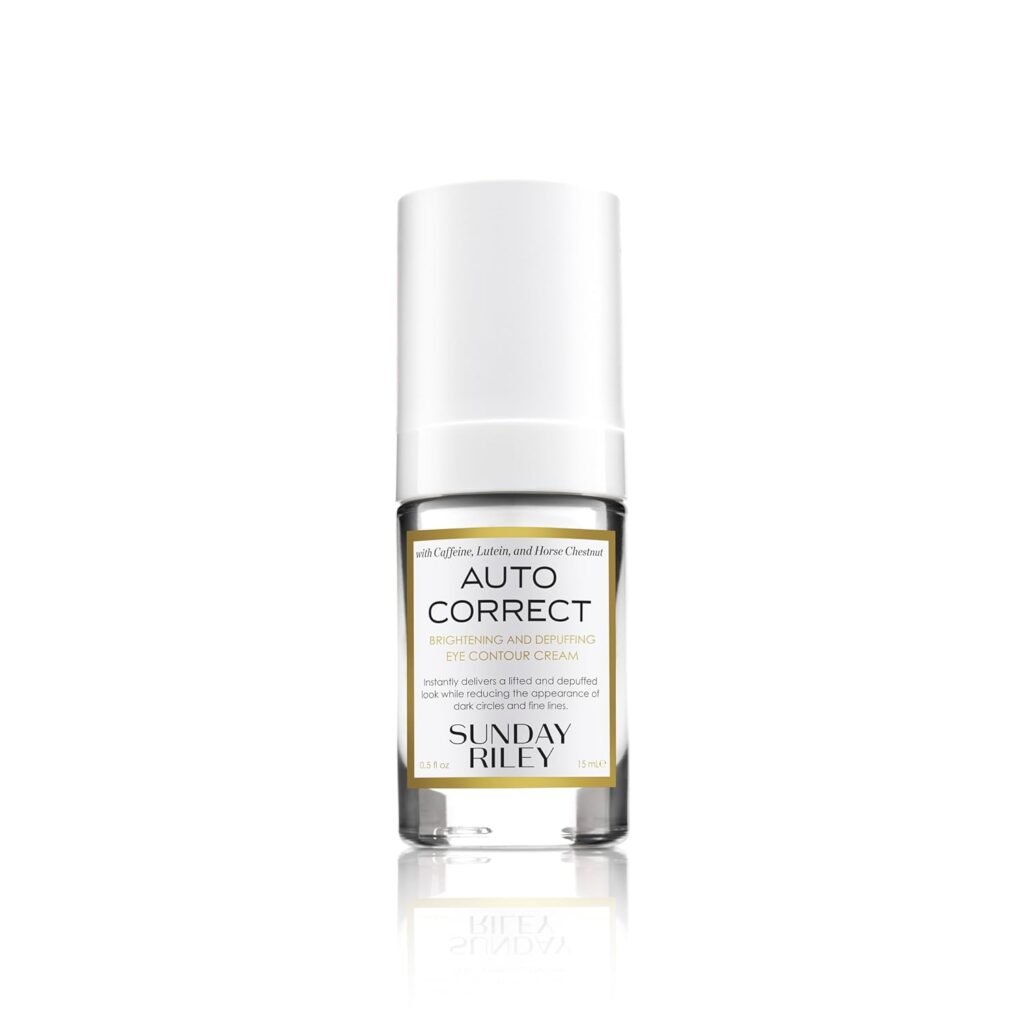
Sunday Riley Auto Correct Brightening & Depuffing Eye Cream — Best Overall
REASONS TO BUY
✅ Brazilian ginseng and caffeine target vascular circles and puffiness together
✅Optical brighteners deliver instant luminosity while actives work long-term
✅Lightweight formula absorbs without pilling under concealer or SPF
✅One formula addresses multiple dark circle mechanisms simultaneously
REASONS TO AVOID
⚠️ Premium price point not suited for tight budgets
⚠️Gradual results for deep structural or heavily pigmented circles
⚠️May be too rich for very oily under-eye skin types
Sunday Riley Auto Correct leads our list as the best all-around skin care product for dark circles in 2026. Its multi-targeting formula of Brazilian ginseng root extract, caffeine, and optical brightening actives addresses the three most common dark circle mechanisms simultaneously—vascular visibility, mild pigmentation, and dehydration—in a single morning application. Consistently ranked among the top skin care products for dark circles by dermatologists and beauty editors alike.
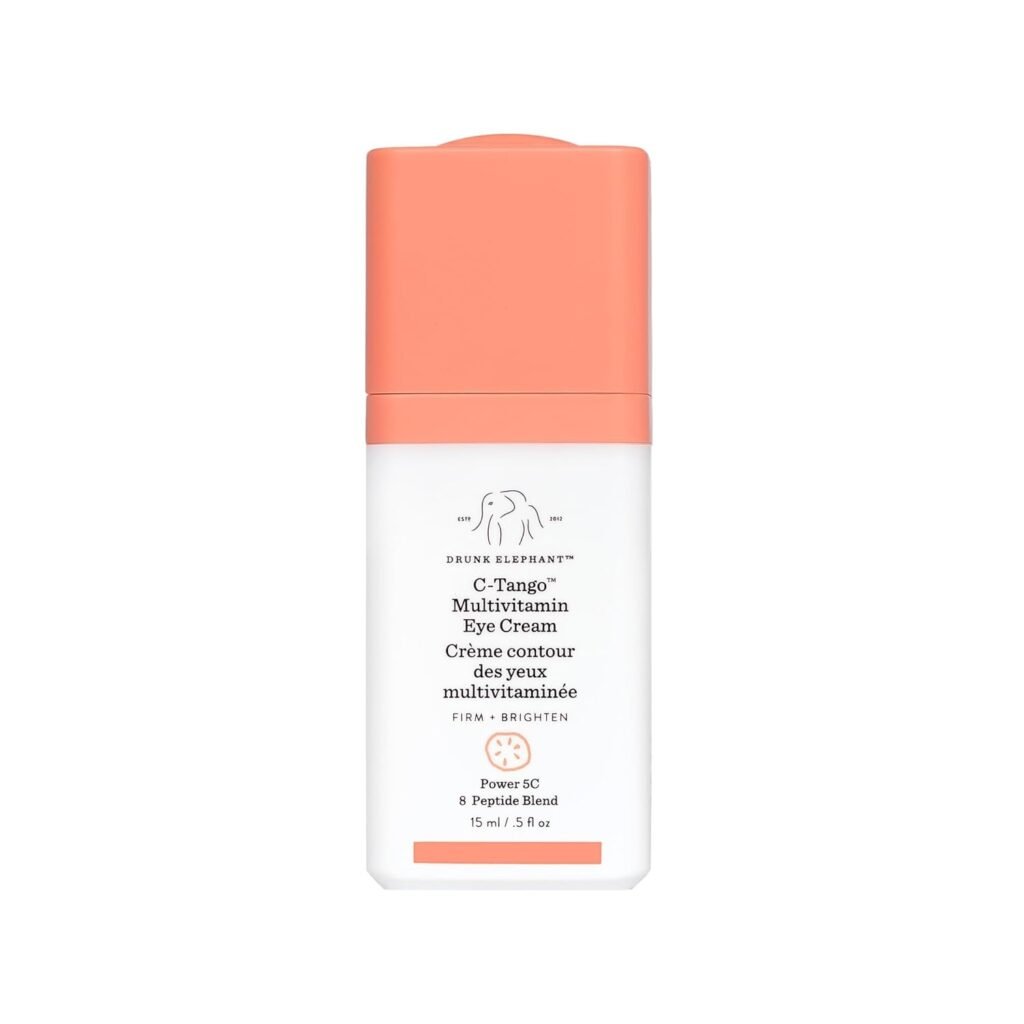
Drunk Elephant C-Tango Vitamin C Eye Cream — Best for Pigmentation
Read the full Drunk Elephant C-Tango Vitamin C Review
REASONS TO BUY
✅ Five vitamin C forms penetrate at every skin layer for deep pigment fading
✅Eight peptides address collagen loss and structural thinning simultaneously
✅Ceramides and plant oils restore the barrier while actives work
✅Dermatologist-recommended for hereditary and UV-driven hyperpigmentation
REASONS TO AVOID
⚠️ High vitamin C concentration may tingle on very reactive skin
⚠️Can pill slightly under makeup for some users
⚠️Premium investment not suited for every budget
For dark circles driven primarily by melanin overproduction—the brown and grey type most common in South Asian, Middle Eastern, and African skin tones—Drunk Elephant C-Tango is the most powerful brightening skin care product for dark circles available without a prescription. Its five-form vitamin C and eight-peptide formula creates the most comprehensive pigmentation-fading and firming treatment on this list.
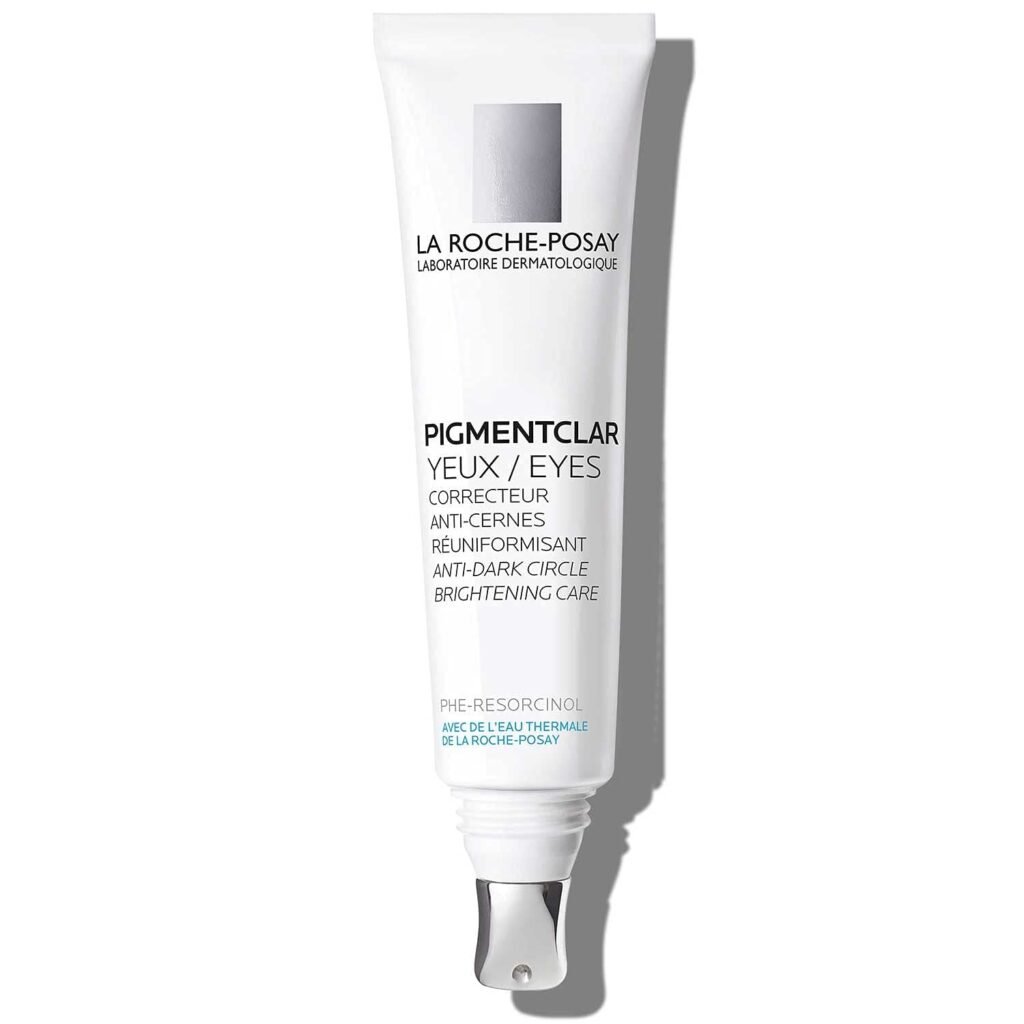
La Roche-Posay Pigmentclar Eye Cream — Best for Sensitive Skin
Read the full La Roche-Posay Review
REASONS TO BUY
✅ LHA and phe-resorcinol disrupt melanin production at the enzymatic level
✅Niacinamide strengthens the barrier and reduces inflammation simultaneously
✅Fragrance-free, allergy-tested, and safe for the most reactive skin
✅Pharmaceutical formulation—zero unnecessary additives or sensitizers
REASONS TO AVOID
⚠️ Focused on pigmentation—limited benefit for vascular or structural circles
⚠️Full results require 8–10 weeks of consistent twice-daily use
⚠️Lighter texture may not satisfy those wanting a richer moisturizing feel
La Roche-Posay Pigmentclar is the dermatologist’s first choice for treating pigmentation-driven dark circles in sensitive, reactive, or allergy-prone skin. Its pharmaceutical-grade combination of LHA, phe-resorcinol, and niacinamide interrupts melanin synthesis at the cellular level—without the fragrance, irritants, or unnecessary additives that trigger sensitivity reactions in histamine-intolerant or allergy-prone individuals. Named best overall eye cream for dark circles by Oprah Daily in 2026.
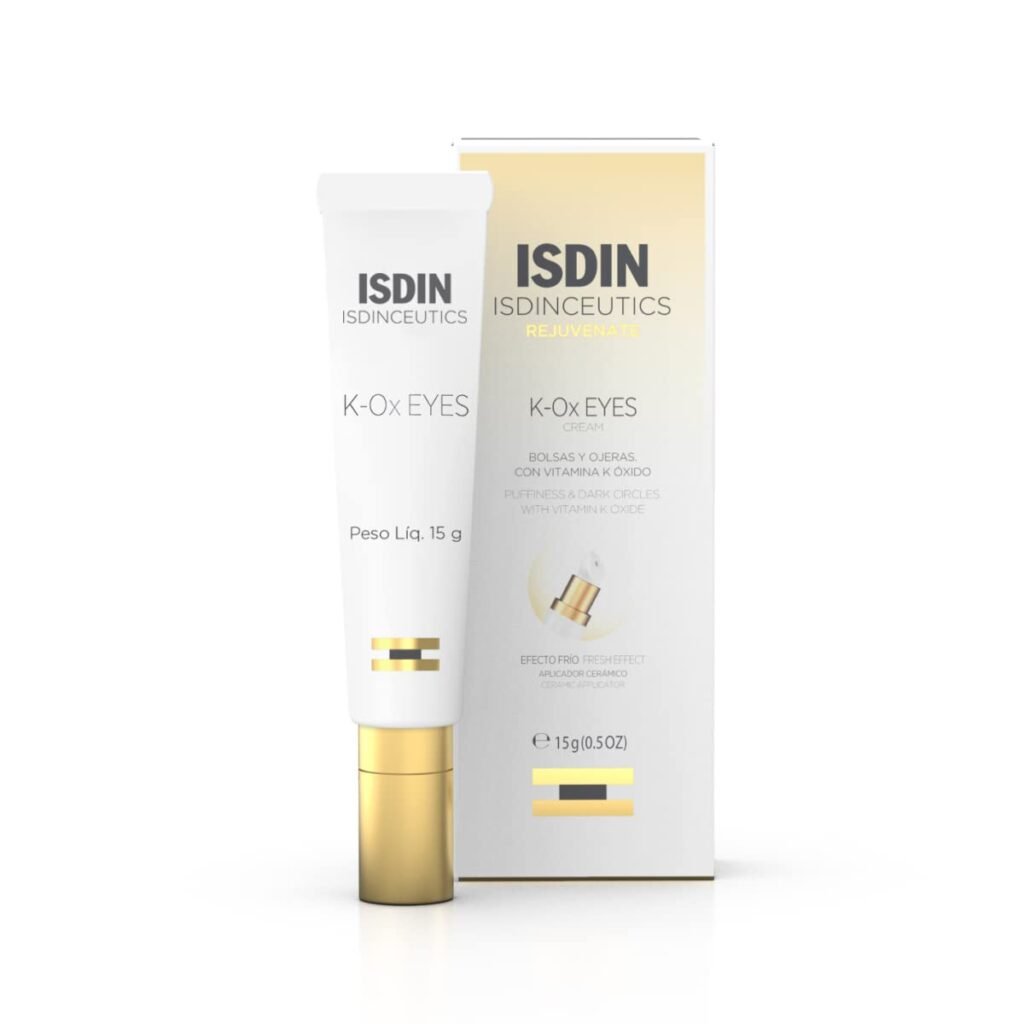
ISDIN K-Ox Eyes Cream — Best for Vascular Dark Circles
REASONS TO BUY
✅ Vitamin K and haloxyl directly target capillary fragility and hemoglobin deposits
✅Ceramic cooling applicator reduces puffiness instantly on contact
✅Niacinamide supports long-term tone, barrier health, and inflammation reduction
✅Ideal for histamine-driven circles due to its vascular and anti-inflammatory focus
REASONS TO AVOID
⚠️ Less effective for melanin-driven brown or grey pigmentation circles
⚠️Higher price than most drugstore vascular options
⚠️Ceramic applicator requires regular cleaning to prevent contamination
ISDIN K-Ox Eyes is the most targeted skin care product for dark circles caused by vascular visibility—the blue-purple type most common in fair, East Asian, and histamine-sensitive individuals. Its combination of vitamin K, haloxyl, and niacinamide works directly on the capillary biology that drives vascular darkness, while the ceramic cooling applicator delivers instant de-puffing that makes every morning treatment feel immediately effective. Specifically recommended by dermatologists for daily vascular circle treatment.
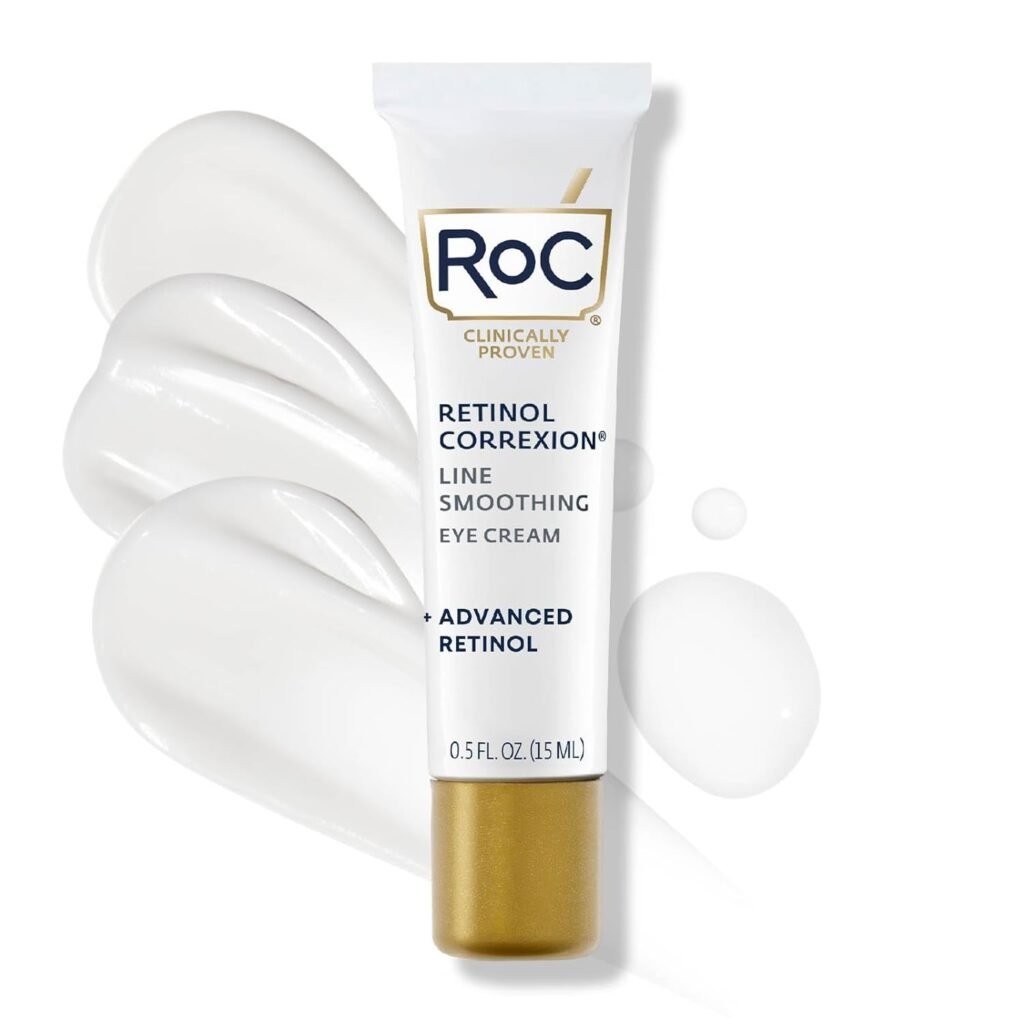
RoC Retinol Correxion Eye Cream — Best Budget Skin Care Product for Dark Circles
REASONS TO BUY
✅ Proven retinol fades pigmentation and stimulates collagen over time
✅Hyaluronic acid hydrates and plumps simultaneously
✅Most affordable retinol eye cream with genuine clinical credibility
✅Addresses both dark circles and fine lines in a single formula
REASONS TO AVOID
⚠️ Requires gradual introduction—start every other night to prevent irritation
⚠️Not recommended during pregnancy or breastfeeding
⚠️Full results take 10–12 weeks of consistent use
RoC Retinol Correxion brings decades of clinically validated retinol technology to the most accessible price point on this list—making it the best-value skin care product for dark circles for anyone dealing with structural and pigmentation-driven discoloration on a budget. Consistently dermatologist-recommended and widely considered the gold standard in budget retinol eye care.
How to Pick the Best Skin Care Products for Dark Circles
Choosing the right skin care products for dark circles depends entirely on matching your formula’s actives to your specific circle type:
For vascular circles: Caffeine, vitamin K, haloxyl, green tea EGCG
For pigmentation circles: Vitamin C, niacinamide, kojic acid, retinol, licorice root
For structural hollowing: Peptides, hyaluronic acid, retinol
For dehydration: Ceramides, squalane, hyaluronic acid
For histamine-driven circles: Caffeine and vitamin K topically; address dietary triggers systemically
For Hashimoto’s-driven circles: Medical management first; ceramide and niacinamide skin care products for dark circles for barrier support
Additional factors:
- Skin type — Dry skin needs richer formulas; oily skin does better with lightweight serums
- Sensitivity — Always choose fragrance-free and ophthalmologist-tested formulas
- Time of use — Vitamin C and caffeine in the morning; retinol and oils at night
- Skin tone — Deeper tones should prioritize niacinamide and vitamin C over retinol to prevent irritation-driven PIH
Key Active Ingredients in Skin Care Products for Dark Circles

Caffeine
The most clinically studied plant-derived active for under-eye puffiness and vascular dark circles. Constricts blood vessels, reduces microvascular permeability, and stimulates lymphatic drainage within 15–20 minutes of application. A cornerstone active in morning skin care products for dark circles for all vascular circle types.
Vitamin C (L-Ascorbic Acid)
Blocks tyrosinase to fade melanin-driven pigmentation over 8–12 weeks. Simultaneously stimulates collagen synthesis to improve skin firmness and reduce structural shadowing. One of the most validated brightening actives in clinical dermatology according to the NIH comprehensive periorbital hyperpigmentation review.
Niacinamide (Vitamin B3)
Reduces melanin transfer, strengthens the skin barrier, minimizes inflammation, and evens tone. The most universally well-tolerated brightening ingredient across all skin tones and types—a non-negotiable in any complete set of skin care products for dark circles.
Retinol (Vitamin A)
Accelerates cell turnover, stimulates collagen production, and fades pigmentation-driven discoloration. Start at low concentrations (0.025–0.05%) around the eyes every other night. The gold standard anti-aging ingredient for structural and pigmentary dark circles.
Haloxyl
A specialized peptide complex that strengthens capillary walls and clears hemoglobin deposits—the direct biochemical cause of blue-purple vascular circles. Supported by NIH research identifying hemoglobin degradation as a primary cause of under-eye discoloration.
Peptides
Stimulate collagen and elastin production, firming and thickening the under-eye area over weeks of consistent use. Matrixyl 3000 and similar complexes are among the most clinically validated firming actives in premium skin care products for dark circles.
Hyaluronic Acid
Holds up to 1,000 times its weight in water, plumping dehydrated under-eye skin and reducing hollow shadow appearance. Essential in any hydration-focused skin care product for dark circles.
Ceramides
Restore and seal the skin barrier, reducing transepidermal water loss and maintaining under-eye skin resilience. Critical for anyone with barrier-compromised, histamine-reactive, or thyroid-affected skin.
Vitamin K
Supports capillary integrity and reduces periorbital blood vessel permeability. Frequently paired with caffeine for a synergistic vascular-strengthening effect in the best skin care products for dark circles targeting blue-purple discoloration.
Can Hashimoto’s Cause Dark Circles?
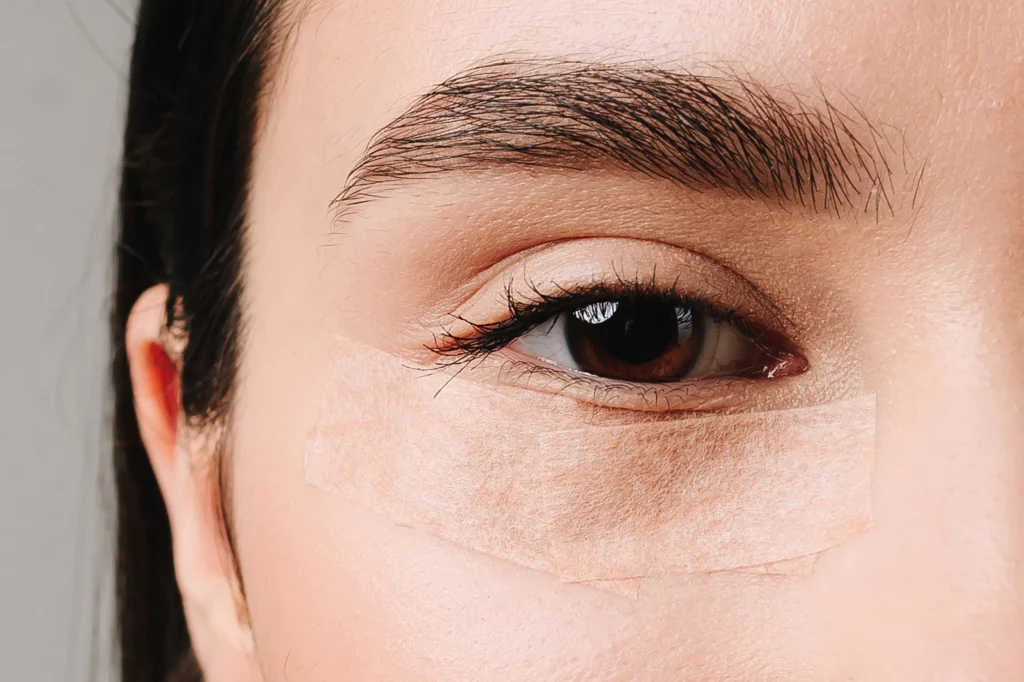
Yes—and this is one of the most clinically significant and consistently underdiagnosed connections in the entire dark circle conversation. Hashimoto’s thyroiditis is an autoimmune condition in which the immune system progressively attacks the thyroid gland, leading to hypothyroidism—an underactive thyroid that disrupts virtually every metabolic process in the body. The resulting hormonal and systemic effects have a direct, visible, and often dramatic impact on the appearance of the under-eye area that no skin care product for dark circles alone can fully resolve without addressing the underlying thyroid dysfunction first.
How Hashimoto’s Causes Dark Circles:
Myxedematous Fluid Retention
Hypothyroidism causes the body to accumulate a specific type of fluid called mucin in the soft tissues—a condition called myxedema. Unlike regular edema, myxedematous swelling is firm rather than soft, doesn’t respond to elevation or cold compresses, and creates persistent, puffy under-eye bags and shadows that are completely resistant to standard de-puffing treatments. This is often the first visible sign that a thyroid condition may be driving what appears to be a cosmetic dark circle problem. According to the Mayo Clinic, systemic medical conditions including thyroid dysfunction are documented causes of persistent periorbital puffiness and darkness that require medical evaluation.
Pale, Thinned Skin
Reduced thyroid hormone dramatically slows cell turnover throughout the body. The under-eye skin—already the thinnest at 0.5mm—becomes even thinner, paler, and more translucent. This makes every underlying blood vessel and discoloration far more visible, creating or dramatically worsening vascular dark circles regardless of lifestyle or topical treatment.
Iron Deficiency Anemia
Hashimoto’s frequently coexists with or directly causes iron deficiency anemia—a condition that reduces hemoglobin production and leaves blood with reduced oxygen-carrying capacity. Deoxygenated blood appears distinctly darker and more blue-toned, making under-eye vessels significantly more visible through already-thin thyroid-affected skin. This is one of the most direct nutritional pathways from Hashimoto’s to dark circles, supported by clinical research published by the NIH on causative factors in periorbital hyperpigmentation.
Chronic Fatigue
The profound, bone-deep fatigue associated with poorly managed or undiagnosed hypothyroidism disrupts sleep quality, elevates cortisol, and causes the paleness and vascular dilation that makes dark circles dramatically more pronounced. Unlike lifestyle fatigue, thyroid-driven exhaustion doesn’t improve with more sleep—making it one of the most frustrating and persistent contributors to under-eye darkness for Hashimoto’s patients.
Periorbital Edema
In more advanced or poorly controlled cases, Hashimoto’s can cause widespread periorbital swelling that extends beyond the lower lid to affect the entire eye area. This level of systemic inflammation is entirely resistant to any topical skin care products for dark circles until the underlying autoimmune and hormonal condition is properly addressed with thyroid hormone replacement therapy.
What to do: If you suspect Hashimoto’s is driving your dark circles, consult your physician for a complete thyroid panel including TSH, Free T3, Free T4, and TPO antibodies. Properly managing your thyroid condition will do more for your under-eye appearance than any combination of topical treatments—and will make your skin care products for dark circles dramatically more effective once the systemic hormonal environment improves.
Can Histamine Intolerance Cause Dark Circles Under the Eyes?
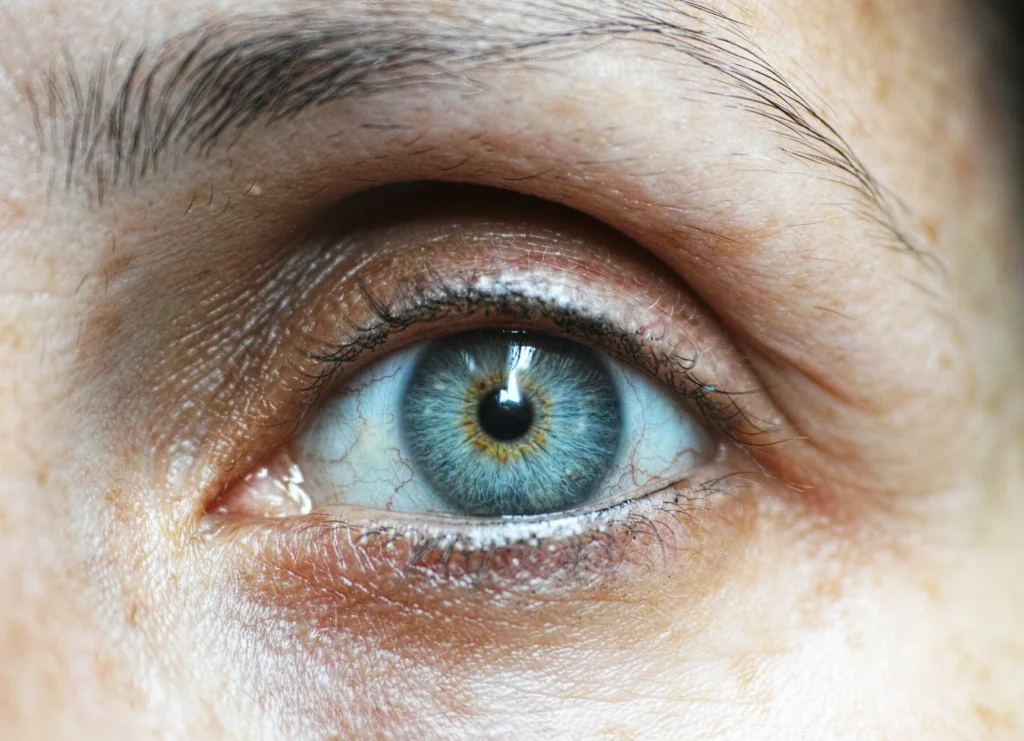
Yes—and this is another widely underrecognized systemic cause of dark circles that often goes undiagnosed for years while sufferers invest in skin care products for dark circles without meaningful results. Histamine intolerance occurs when the body accumulates excess histamine faster than it can break it down—typically due to insufficient levels of the enzyme diamine oxidase (DAO), which is responsible for metabolizing dietary histamine in the gut.
How Histamine Intolerance Drives Dark Circles:
Vasodilation and Vascular Visibility
Histamine is one of the most potent vasodilators in the human body. When histamine levels are chronically elevated, blood vessels throughout the body—including the delicate capillaries beneath the ultra-thin under-eye skin—remain in a persistently dilated state. Dilated vessels are larger, carry more blood, and are significantly more visible through thin periorbital skin, creating or worsening the classic blue-purple vascular dark circles. This effect is similar to—but more persistent than—the temporary vascular dilation seen in seasonal allergy flares, because histamine intolerance operates continuously rather than seasonally. Research on physiological contributors to dark circles supports vascular mechanisms as a primary driver according to NIH PMC research on periorbital dark circle aetiology.
Periorbital Inflammation and Puffiness
Chronically elevated histamine triggers inflammatory responses throughout the body that are particularly visible in the loose, poorly supported tissue beneath the eyes. Histamine increases the permeability of blood vessel walls, allowing fluid to leak into surrounding tissue—creating a persistent, low-grade periorbital edema that looks and behaves like allergy-driven puffiness but doesn’t respond to seasonal antihistamines because it’s driven by dietary rather than environmental triggers.
Sleep Disruption
High histamine levels are a well-documented disruptor of sleep architecture—particularly REM sleep. Histamine is a wake-promoting neurotransmitter, and excess circulating histamine prevents the deep, restorative sleep stages during which the lymphatic system clears fluid from facial tissues. The result is chronic morning puffiness and the fatigue-driven discoloration that compounds histamine’s direct vascular effects on under-eye appearance.
Gut Inflammation and Nutrient Absorption
Histamine intolerance is often accompanied by gut inflammation that impairs the absorption of key nutrients—particularly vitamin B6 (required for DAO enzyme production), copper, and vitamin C—all of which play roles in collagen synthesis, melanin regulation, and vascular integrity. This creates a nutritional deficiency pathway that compounds the direct vascular effects of histamine intolerance on dark circle development.
Managing Histamine-Driven Dark Circles:
- Follow a low-histamine diet under guidance from a registered dietitian
- Support DAO enzyme production with vitamin B6, copper, and vitamin C
- Consider a DAO supplement with high-histamine meals
- Work with a physician or allergist to identify and address your specific histamine burden
- Use caffeine and vitamin K-based skin care products for dark circles topically to manage the vascular component while addressing the systemic cause
What Deficiency Causes Dark Circles?

Nutritional deficiencies are among the most correctable contributors to dark circles—and addressing them can produce meaningful improvement in under-eye appearance even before topical skin care products for dark circles have time to work. Research from the NIH on periorbital hyperpigmentation causative factors and Jinfiniti’s 2026 vitamin deficiency review identifies several key deficiencies consistently linked to periorbital darkness:
Iron — The Most Common
Iron deficiency anemia is the single most prevalent nutritional cause of dark circles worldwide—identified in clinical research as present in a significant percentage of dark circle patients. Low iron reduces hemoglobin and leaves blood oxygen-depleted, making it appear darker and more blue-toned beneath already-thin under-eye skin. Symptoms alongside dark circles include chronic fatigue, pale skin, brittle nails, and shortness of breath. Dietary sources: red meat, lentils, spinach, pumpkin seeds, fortified cereals.
Vitamin K
Vitamin K regulates capillary health and blood coagulation. Deficiency increases vascular permeability and allows small amounts of blood to leak into periorbital tissue, creating hemoglobin deposits that cause bluish discoloration—a mechanism supported by NIH research on the three key factors in dark circle aetiology. Dietary sources: kale, spinach, broccoli, Brussels sprouts, fermented foods.
Vitamin C
Essential for collagen synthesis and tyrosinase inhibition—the enzyme that drives melanin production. Vitamin C deficiency simultaneously thins the collagen layer beneath the eyes (increasing vascular visibility) and allows melanin production to go unchecked (worsening pigmentary circles). Both topical and dietary vitamin C are beneficial for dark circle management. Dietary sources: citrus fruits, bell peppers, strawberries, kiwi, Kakadu plum.
Vitamin B12
B12 deficiency causes a specific megaloblastic anemia that results in pale, thin skin with highly visible vascular structures—and contributes to the kind of deep chronic fatigue that disrupts sleep and amplifies every dark circle mechanism simultaneously. Particularly common in vegans, vegetarians, and older adults with reduced gastric acid production. Dietary sources: eggs, dairy, meat, fortified plant milks. As documented in a comprehensive NIH study on causative factors in periorbital hyperpigmentation, B12 deficiency is directly linked to visible periorbital changes.
Vitamin D
Chronic deficiency impairs skin barrier function, increases systemic inflammation, and heightens allergic and histamine reactivity—all of which worsen dark circles through multiple pathways. Vitamin D also plays a critical role in immune regulation, and deficiency is associated with increased autoimmune activity including Hashimoto’s thyroiditis itself—creating a compounding relationship between vitamin D deficiency and thyroid-driven dark circles. Physiological and lifestyle contributors to dark circle severity including inflammation are reviewed in NIH PMC research. Dietary sources: fatty fish, egg yolks, fortified foods, sensible sun exposure.
Vitamin E
A fat-soluble antioxidant that protects skin cells from oxidative damage caused by UV radiation and environmental pollutants. Deficiency reduces the skin’s ability to neutralize free radicals in the under-eye area, accelerating collagen breakdown and worsening discoloration over time. Dietary sources: almonds, sunflower seeds, avocado, olive oil.
Magnesium
Regulates fluid balance, reduces systemic inflammation, and supports sleep quality. Deficiency—estimated to affect up to 50% of adults in developed countries—contributes to fluid retention, poor sleep architecture, and heightened histamine reactivity, all of which worsen dark circles through multiple pathways. Dietary sources: dark chocolate, avocados, nuts, seeds, leafy greens.
Key recommendation: Before investing heavily in skin care products for dark circles, ask your physician for a comprehensive blood panel including ferritin, B12, vitamin D, folate, and magnesium. Correcting deficiencies from the inside out will dramatically improve the effectiveness of every topical treatment you apply.
Care and Cleaning

Even the most effective skin care products for dark circles will underperform if applied incorrectly or stored carelessly.
How to Apply Correctly:
- Cleanse your face thoroughly before applying—residue blocks penetration of active ingredients
- Use your ring finger exclusively—least pressure, most protection for delicate orbital skin
- Pea-sized amount per eye—overapplication causes milia and product waste
- Tap gently from inner corner outward along the orbital bone—never rub or drag
- Apply before heavier face moisturizers so actives reach skin without a barrier
- Always follow with SPF every morning—UV exposure worsens every type of dark circle
Storage Rules:
- Away from heat, steam, and direct sunlight at all times
- Refrigerate vitamin C formulas to slow oxidation and maintain potency
- Use a clean spatula for jar products—fingers introduce bacteria that degrade actives
- Check period-after-opening symbol—most skin care products for dark circles remain effective 6–12 months after opening
Hygiene:
- Wash hands thoroughly before every application
- Never share eye products—periorbital area is adjacent to mucous membranes
- Apply to the orbital bone, not the lash line, to prevent product migration
FAQ – Skin Care Products for Dark Circles

What skin care is good for dark circles?
The best skin care products for dark circles depend entirely on what’s causing yours. For vascular circles (blue-purple), look for caffeine, vitamin K, and haloxyl. For pigmentation circles (brown or grey), choose vitamin C, niacinamide, and retinol. For structural hollowing, prioritize peptides and hyaluronic acid. For dehydration-driven circles, ceramides and squalane are most effective. Regardless of type, applying SPF daily and addressing any underlying conditions—including Hashimoto’s, histamine intolerance, or nutritional deficiencies—will dramatically amplify the results of every topical product you use. A comprehensive NIH review confirms that accurate diagnosis before treatment selection is the most critical factor in achieving meaningful results.
What product is the best for dark circles?
The best single skin care product for dark circles for most people is Sunday Riley Auto Correct—a multi-targeting formula that addresses vascular visibility, mild pigmentation, and puffiness in one daily application. For pure brightening power against melanin-driven circles, Drunk Elephant C-Tango’s five-form vitamin C is unmatched. For sensitive or histamine-reactive skin, La Roche-Posay Pigmentclar is the most hypoallergenic clinical choice. For vascular circles specifically, ISDIN K-Ox Eyes targets the mechanism more precisely than anything else available over the counter. For budget shoppers wanting retinol-grade results, RoC Retinol Correxion remains the gold standard in affordable skin care products for dark circles.
Can Hashimoto’s cause dark circles?
Yes—absolutely and significantly. Hashimoto’s thyroiditis causes hypothyroidism that drives multiple independent dark circle mechanisms simultaneously: myxedematous fluid retention that creates persistent periorbital swelling, skin thinning and pallor from slowed cell turnover, iron-deficiency anemia that darkens blood visibly beneath thin under-eye skin, and chronic fatigue that disrupts sleep quality and dilates blood vessels. According to the Mayo Clinic and NIH clinical research, systemic conditions including thyroid dysfunction are documented causes of periorbital darkness and puffiness that require medical evaluation. Topical skin care products for dark circles become significantly more effective once the underlying thyroid condition is properly managed with medication and lifestyle support.
Can histamine intolerance cause dark circles under eyes?
Yes—histamine intolerance is a frequently overlooked but clinically significant cause of blue-purple vascular dark circles. Elevated histamine keeps periorbital blood vessels in a persistently dilated state, increases capillary permeability to allow fluid leakage into under-eye tissue, disrupts the deep sleep needed for lymphatic facial drainage, and impairs gut absorption of key nutrients that support vascular integrity. Managing histamine intolerance through a low-histamine diet, DAO enzyme supplementation, and vitamin B6 and copper support—alongside targeted vascular skin care products for dark circles like ISDIN K-Ox and caffeine serums—is the most comprehensive approach for histamine-driven under-eye discoloration. As supported by NIH research on the physiological factors contributing to dark circle severity, vascular mechanisms including those driven by inflammatory conditions require both systemic and topical management.
What deficiency causes dark circles?
The most clinically significant deficiencies linked to dark circles are iron (the most common globally), vitamin K (capillary fragility and hemoglobin deposits), vitamin C (collagen thinning and melanin overproduction), vitamin B12 (anemia and skin pallor), vitamin D (barrier impairment and inflammation), and magnesium (fluid retention and sleep disruption). According to NIH research on causative factors in periorbital hyperpigmentation and Jinfiniti’s 2026 deficiency review, correcting these deficiencies through diet and supplementation can produce meaningful improvement in dark circles alongside topical skin care products for dark circles. A comprehensive blood panel before investing heavily in topical treatments is always worthwhile.
What actually helps dark circles?
What actually helps dark circles is a combination of the right topical skin care products for dark circles matched to your specific cause, consistent SPF application every morning, targeted nutritional support addressing any underlying deficiencies, allergy and histamine management if relevant, medical treatment for any systemic conditions like Hashimoto’s, and in some cases clinical interventions like hyaluronic acid filler for structural hollowing or laser for stubborn pigmentation. Topical treatments alone can improve dark circles by 40–70% over 8–12 weeks according to NIH clinical research. What doesn’t help—despite popular belief—is cucumber slices, hemorrhoid cream, or any single product used inconsistently. Matching the right treatment to the right cause and committing to it over several weeks is what separates people who see real results from those who don’t.
Final Verdict: Skin Care Products for Dark Circles
Finding the right skin care products for dark circles is one of the highest-impact upgrades you can make to your skincare routine—but only when those products are matched to the actual cause of your specific dark circles. Whether your shadows are driven by inherited melanin overproduction, vascular visibility, structural hollowing, chronic dehydration, histamine intolerance, Hashimoto’s thyroiditis, or nutritional deficiencies—each mechanism has a targeted solution that will dramatically outperform a generic approach.
The five skin care products for dark circles on this list represent the strongest, most clinically supported options in 2026 across every budget, skin type, and dark circle cause. Start with the formula matched to your primary concern, address any systemic factors with your physician, correct nutritional deficiencies from the inside out, and give your routine a genuine 8–12 week commitment before evaluating results.
Dark circles are one of the most treatable cosmetic concerns when you approach them with the right knowledge and the right products. The information in this guide gives you everything you need to build a strategy that finally works—not just for the surface, but for the root cause beneath it.
Note: This post contains Amazon affiliate links. If you make a purchase through these links, I may receive a small commission at no extra cost to you.