Are dark circles genetic? Yes — genetics drive 60% of dark circles. Learn how inherited traits cause them and which eye creams actually work. If you’ve tried every eye cream, logged eight hours of sleep religiously, and still wake up to the same stubborn shadows under your eyes—the answer is very likely yes. Genetic dark circles are one of the most misunderstood and undertreated skincare concerns because most people assume they’re simply a lifestyle problem. The truth is that for the majority of chronic sufferers, dark circles are deeply rooted in inherited biology that no amount of sleep or cucumber slices will fully fix.
Genetics drive an estimated 60% of all dark circle cases, making hereditary factors the single most significant contributor to periorbital discoloration worldwide. If your parents or grandparents had prominent dark circles, the odds are high that you inherited the same underlying traits—whether that’s naturally thinner under-eye skin, a deeper orbital structure, increased melanin production, or hyperpermeable capillaries that allow blood to pool visibly beneath the surface. These are structural and biological realities, not lifestyle failures.
But understanding that your dark circles may be genetic doesn’t mean you’re powerless. Modern skincare science, clinical dermatology, and in-office treatments have made extraordinary progress in managing and visibly reducing even the most stubborn hereditary dark circles. The best eye creams for dark circles, targeted lifestyle changes, and strategic clinical interventions can all work together to dramatically improve your under-eye appearance—even when genetics are the primary driver.
In this guide, we break down exactly how genetics cause dark circles, which ethnicities are most affected, what nutritional deficiencies make them worse, and whether it’s truly possible to eliminate them entirely. We’ve also reviewed five of the most effective products for treating genetic dark circles, so you can build a routine backed by real science rather than empty promises.
Table of Contents
How Genetics Cause Dark Circles
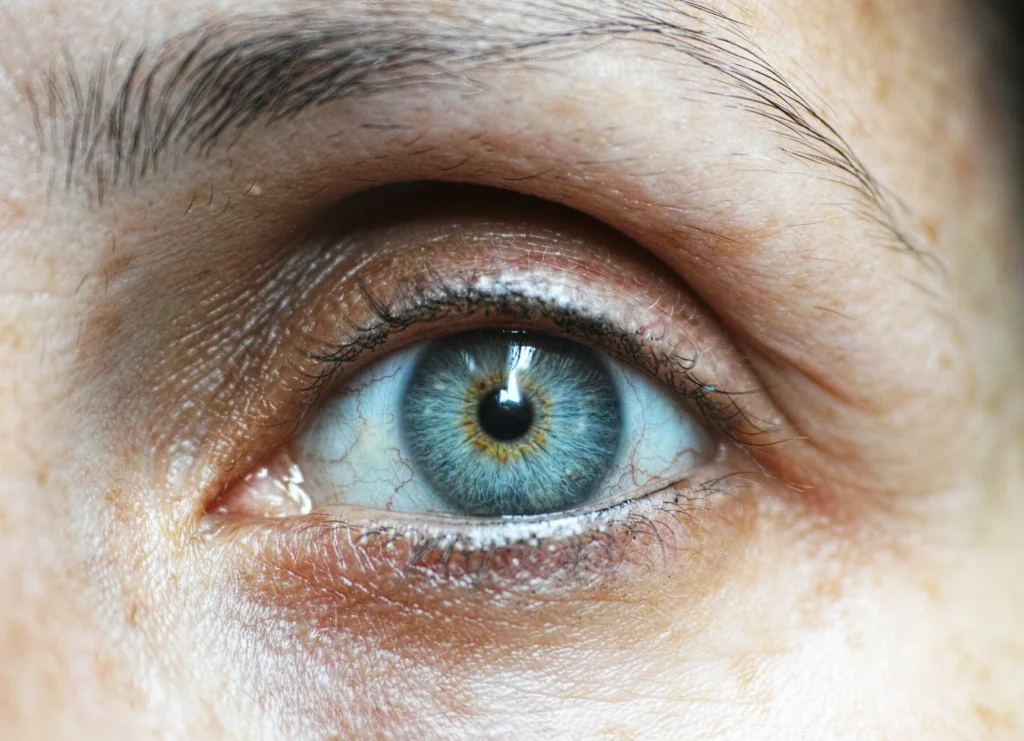
The question “are dark circles genetic?” has a nuanced answer that involves multiple inherited biological traits converging in the same area. Genetic dark circles aren’t caused by one single gene—they’re the result of several inherited physical characteristics that make the under-eye area more prone to shadowing and discoloration.
Skin Thickness and Transparency
The most direct genetic contributor to dark circles is the inherited thickness—or thinness—of the periorbital skin. Under-eye skin is already the thinnest on the body at roughly 0.5mm, but some people genetically inherit skin that is even thinner and more translucent than average. This transparency makes underlying blood vessels, fat, and muscle far more visible, creating a persistent bluish or purplish tint regardless of lifestyle.
Orbital Bone Structure
The shape and depth of your orbital bones—the bony socket surrounding the eye—is almost entirely genetically determined. Deep-set orbital structures create a natural shadow in the tear trough area that mimics the appearance of dark circles even when skin tone and pigmentation are perfectly even. This structural shadow is one of the most challenging types of genetic dark circles to treat with topicals alone.
Melanin Production
Some people genetically overproduce melanin in the periorbital area—a condition called periorbital hyperpigmentation. This is particularly prevalent in certain ethnic groups and presents as brown or grey discoloration beneath the eyes that appears from childhood and worsens with sun exposure and age. Vitamin C, niacinamide, and retinol-based eye creams for dark circles are the most effective topical tools for this genetic type.
Capillary Permeability
Some people inherit blood vessels around the eye that are more permeable than average—meaning they allow small amounts of blood to leak into surrounding tissue. As this blood breaks down, it creates hemoglobin deposits that give the under-eye area a bluish-purple cast. This vascular genetic trait responds best to caffeine, vitamin K, and haloxyl-based formulas.
Fat Pad Positioning
The position and size of the orbital fat pads is genetically inherited. Some people are born with fat pads positioned in a way that creates a hollowed tear trough, casting a permanent shadow beneath the lower lid. Others develop fat pad displacement earlier than average due to inherited connective tissue laxity.
What Ethnicity Has Dark Circles Under the Eyes?
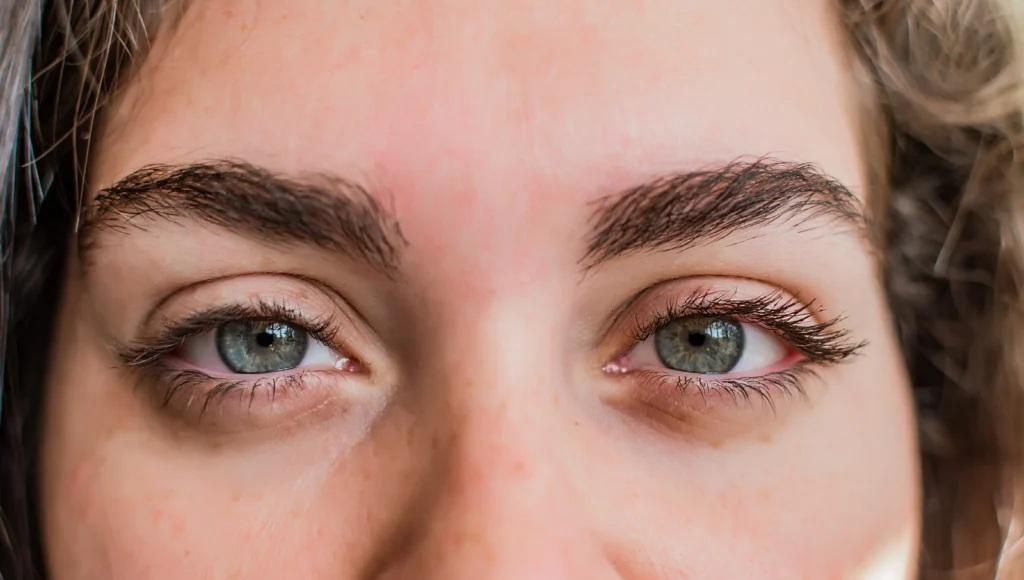
Are dark circles genetic across specific ethnicities? Absolutely—and certain populations are significantly more predisposed than others due to inherited skin characteristics, orbital structure, and melanin biology.
South Asian and Southeast Asian Skin
People of South Asian descent—including Indian, Pakistani, Bangladeshi, and Sri Lankan ethnicities—have among the highest prevalence of genetic dark circles globally. The combination of naturally deeper orbital bone structure, higher baseline melanin production, and a genetic tendency toward periorbital hyperpigmentation makes dark circles both more common and more pronounced. Studies show that periorbital hyperpigmentation affects up to 65% of South Asian adults to some degree.
Middle Eastern and Mediterranean Skin
Middle Eastern, Turkish, Greek, and Italian skin tones frequently carry genetic traits for both deep orbital structure and elevated melanin production in the periorbital area. The combination of darker skin undertones and prominent orbital hollowing creates a dual-mechanism dark circle—both structural and pigmentary—that requires multi-ingredient treatment approaches.
African and African American Skin
Darker skin tones in African and African American individuals often experience post-inflammatory hyperpigmentation more intensely in the under-eye area. Genetic melanin overproduction in the orbital zone can create very dark, brown circles that are among the most resistant to topical treatment. Niacinamide, kojic acid, and vitamin C-based eye creams for dark circles are the most effective topical approaches, with laser treatments reserved for severe cases.
East Asian Skin
People of East Asian descent—Chinese, Japanese, Korean, Vietnamese—commonly inherit thinner periorbital skin that makes underlying vascular structures more visible. The bluish-purple circles typical in this demographic are primarily vascular in nature, caused by inherited skin transparency rather than melanin overproduction. Caffeine, haloxyl, and peptide-rich formulas are most effective.
Fair or Celtic Skin
People with very fair skin—particularly of Irish, Scottish, Scandinavian, or Northern European descent—often show vascular dark circles more prominently due to the extreme transparency of their under-eye skin. Every blood vessel is visible through paper-thin skin, and even mild fatigue or dehydration dramatically amplifies the appearance. Cold compresses, caffeine serums, and vitamin K formulas are the most immediately effective tools.
What Vitamin Am I Lacking If I Have Dark Circles?

While genetics play the dominant role, nutritional deficiencies can significantly worsen inherited dark circles—and in some cases, correcting them produces a noticeable improvement. Here are the key vitamins and minerals most directly linked to under-eye darkness:
Iron (Most Common Deficiency)
Iron deficiency anemia is the single most common nutritional cause of dark circles worldwide. When iron levels are low, the body produces less hemoglobin—the protein that carries oxygen in red blood cells. Oxygen-depleted blood appears darker and more blue-toned, making under-eye vessels significantly more visible through thin skin. If you’ve always wondered “are dark circles genetic” but also suspect a nutritional component, iron is the first thing to check with your doctor.
Vitamin K
Vitamin K plays a critical role in blood clotting and capillary health. Deficiency can increase capillary fragility and permeability, allowing small amounts of blood to leak into the periorbital tissue and create bluish discoloration. Leafy greens like kale, spinach, and broccoli are the richest dietary sources.
Vitamin C
Vitamin C deficiency weakens collagen synthesis throughout the body—including the thin collagen layer beneath your eyes. When this layer thins, blood vessels become more visible and skin loses resilience. Low vitamin C also allows melanin production to go unchecked, worsening pigmentation-driven dark circles. Both topical and dietary vitamin C are beneficial for this concern.
Vitamin E
A powerful antioxidant that protects skin cells from oxidative damage. Vitamin E deficiency reduces the skin’s ability to neutralize free radicals from UV and environmental exposure, accelerating the breakdown of the already-thin under-eye skin and worsening discoloration over time.
Vitamin B12
B12 deficiency causes a specific type of anemia that results in pale, thin skin with highly visible vascular structures underneath. It also contributes to chronic fatigue that compounds the appearance of tired, shadowed eyes. Common in vegetarians and vegans who don’t supplement adequately.
Vitamin D
Emerging research links chronic vitamin D deficiency to impaired skin barrier function and increased inflammation—both of which worsen the appearance of dark circles. Vitamin D also plays a role in immune regulation, and deficiency is associated with increased allergic reactivity that contributes to periorbital swelling and discoloration.
Key dietary sources to prioritize:
- Iron — Red meat, lentils, spinach, fortified cereals
- Vitamin K — Kale, broccoli, Brussels sprouts, fermented foods
- Vitamin C — Citrus fruits, bell peppers, strawberries, kiwi
- Vitamin B12 — Eggs, dairy, meat, fortified plant milks
- Vitamin D — Fatty fish, egg yolks, fortified foods, sunlight exposure
Can We Truly Get Rid of Genetic Dark Circles?
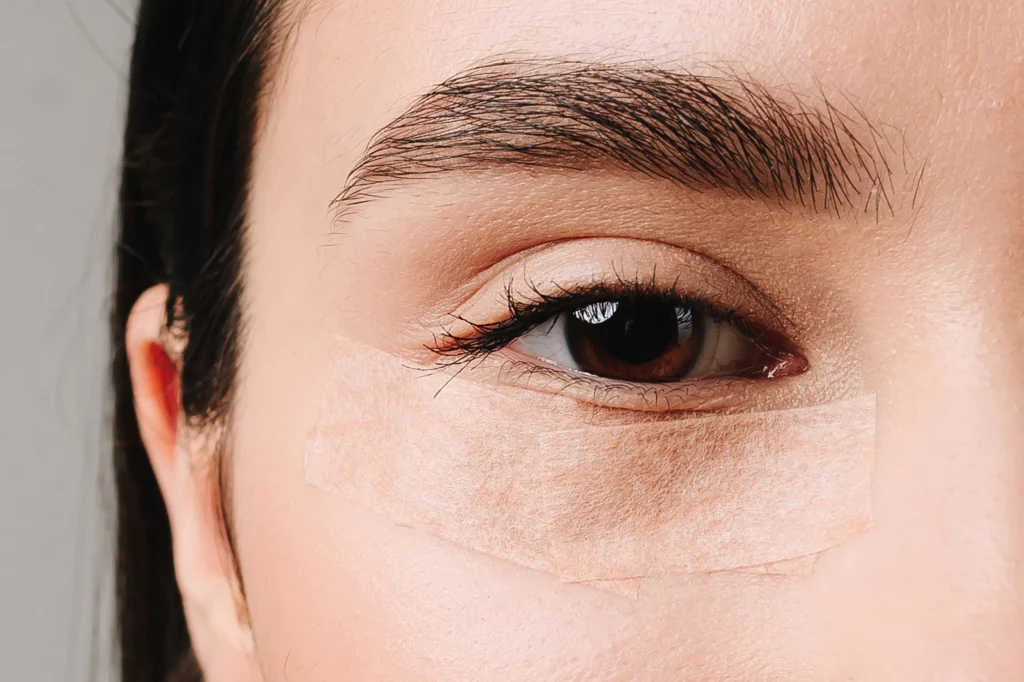
This is the most important question in the “are dark circles genetic” conversation—and the honest answer is: completely eliminating genetic dark circles is extremely difficult, but dramatically reducing their appearance is absolutely achievable with the right combination of treatments.
Topical treatments are the foundation. Consistent use of well-formulated eye creams for dark circles containing vitamin C, niacinamide, caffeine, peptides, and hyaluronic acid can improve the appearance of genetic dark circles by 40–70% over 8–12 weeks. They won’t change your orbital bone structure or permanently alter your melanin genetics—but they can visibly brighten, hydrate, and firm the under-eye area to the point where dark circles become minimally noticeable.
For deeper results, clinical and in-office treatments offer the most powerful interventions:
Hyaluronic Acid Filler (Tear Trough Filler)
The single most effective treatment for structural and hollow-type genetic dark circles. A trained provider injects hyaluronic acid directly into the tear trough to restore volume, eliminate shadowing, and create a smooth, rested appearance. Results last 9–18 months and can reduce the appearance of genetic shadows by 70–90%.
Laser Resurfacing and IPL
Fractional laser and intense pulsed light (IPL) treatments target melanin deposits and stimulate collagen production beneath the eyes. Particularly effective for pigmentation-driven genetic dark circles in medium to deep skin tones. Multiple sessions are typically required for full results.
Chemical Peels
Mild to medium-depth chemical peels using lactic acid, TCA, or glycolic acid accelerate cell turnover in the under-eye area, fading melanin deposits and improving overall tone. Best for pigmentary genetic dark circles in lighter skin tones under careful dermatologist supervision.
Platelet-Rich Plasma (PRP)
PRP therapy involves injecting concentrated growth factors from the patient’s own blood into the under-eye area to stimulate collagen production and improve skin thickness and tone. Increasingly popular for genetic dark circles with a strong research base supporting its effectiveness.
Blepharoplasty
Surgical intervention for the most severe structural cases where fat pad displacement and excess skin create permanent hollowing and shadowing. Reserved for cases where all other treatments have been insufficient.
The 5 Best Products for Genetic Dark Circles
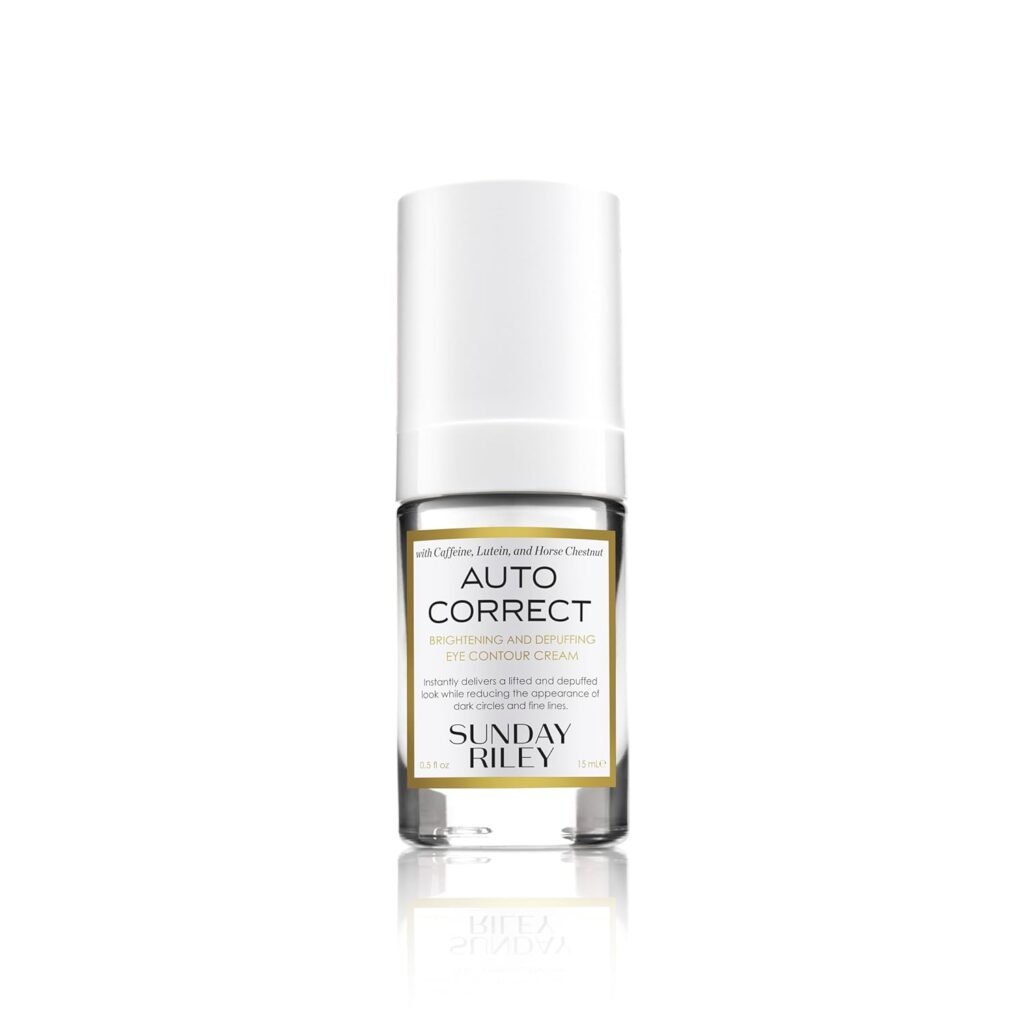
Sunday Riley Auto Correct Brightening & Depuffing Eye Cream — Best Overall
REASONS TO BUY
✅ Brazilian ginseng and caffeine target both vascular and puffiness-related genetic circles
✅ Optical brighteners deliver immediate luminosity while actives work long-term
✅ Lightweight formula absorbs without pilling under makeup
✅ Addresses multiple genetic dark circle mechanisms in one step
REASONS TO AVOID
⚠️ Premium price point not suited for every budget
⚠️Gradual results for deep structural or heavily pigmented genetic circles
⚠️May feel too rich for very oily under-eye skin types
Sunday Riley Auto Correct leads our list as the best overall eye cream for dark circles driven by genetic factors. Its combination of Brazilian ginseng root extract, caffeine, and optical brightening actives makes it the most versatile formula for addressing the multiple mechanisms behind genetic dark circles simultaneously—vascular visibility, mild pigmentation, and dehydration all in one application.
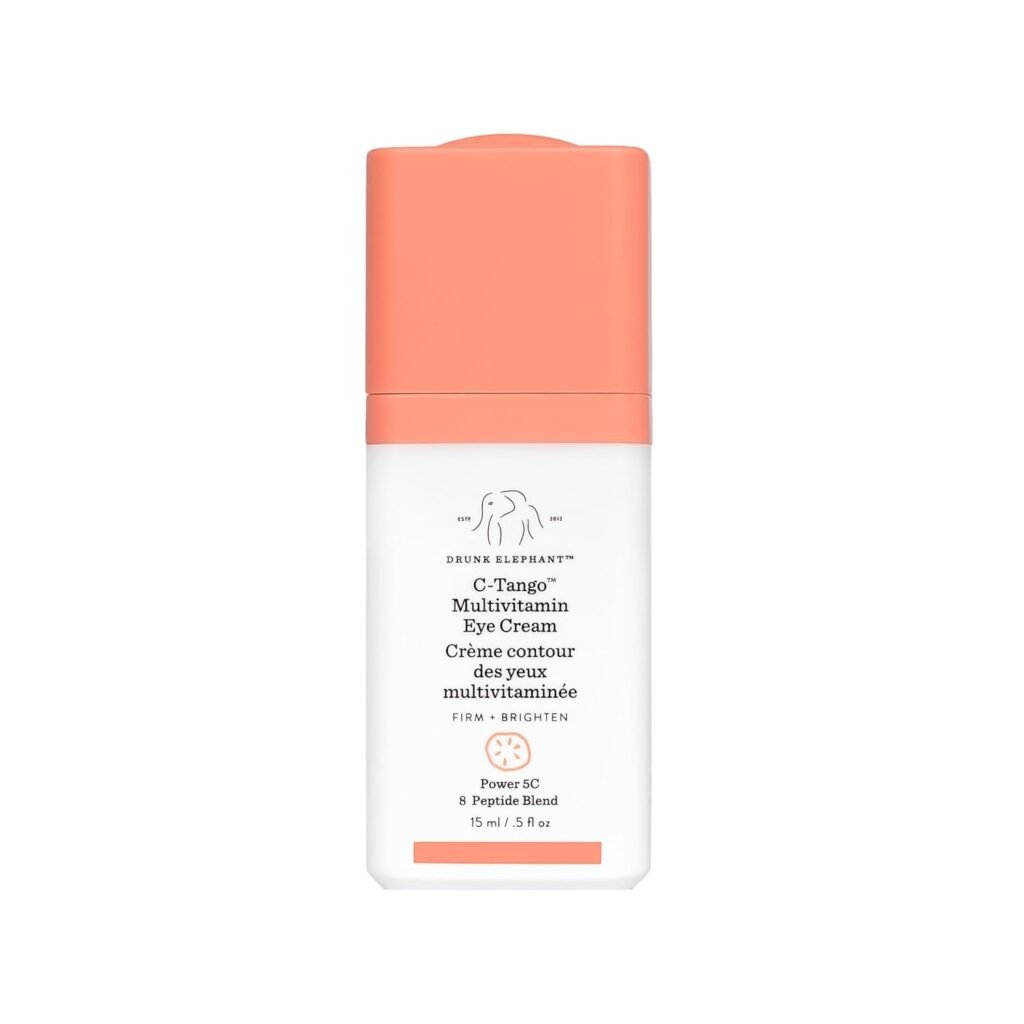
Drunk Elephant C-Tango Vitamin C Eye Cream — Best for Genetic Pigmentation
REASONS TO BUY
✅ Five vitamin C forms penetrate at multiple skin layers for deep pigment fading
✅Eight peptides address collagen loss and structural thinning simultaneously
✅Ceramides and plant oils restore and protect the skin barrier
✅Dermatologist-recommended for hereditary hyperpigmentation
REASONS TO AVOID
⚠️ High vitamin C concentration may tingle on very reactive skin
⚠️Can pill slightly under makeup for some users
⚠️Premium investment not suited to tight budgets
For genetic dark circles driven by inherited melanin overproduction—the brown and grey type common in South Asian, Middle Eastern, and African skin tones—Drunk Elephant C-Tango is the most powerful brightening eye cream for dark circles available without a prescription. Five forms of vitamin C combined with eight peptides create the most comprehensive pigment-fading and firming formula on this list.
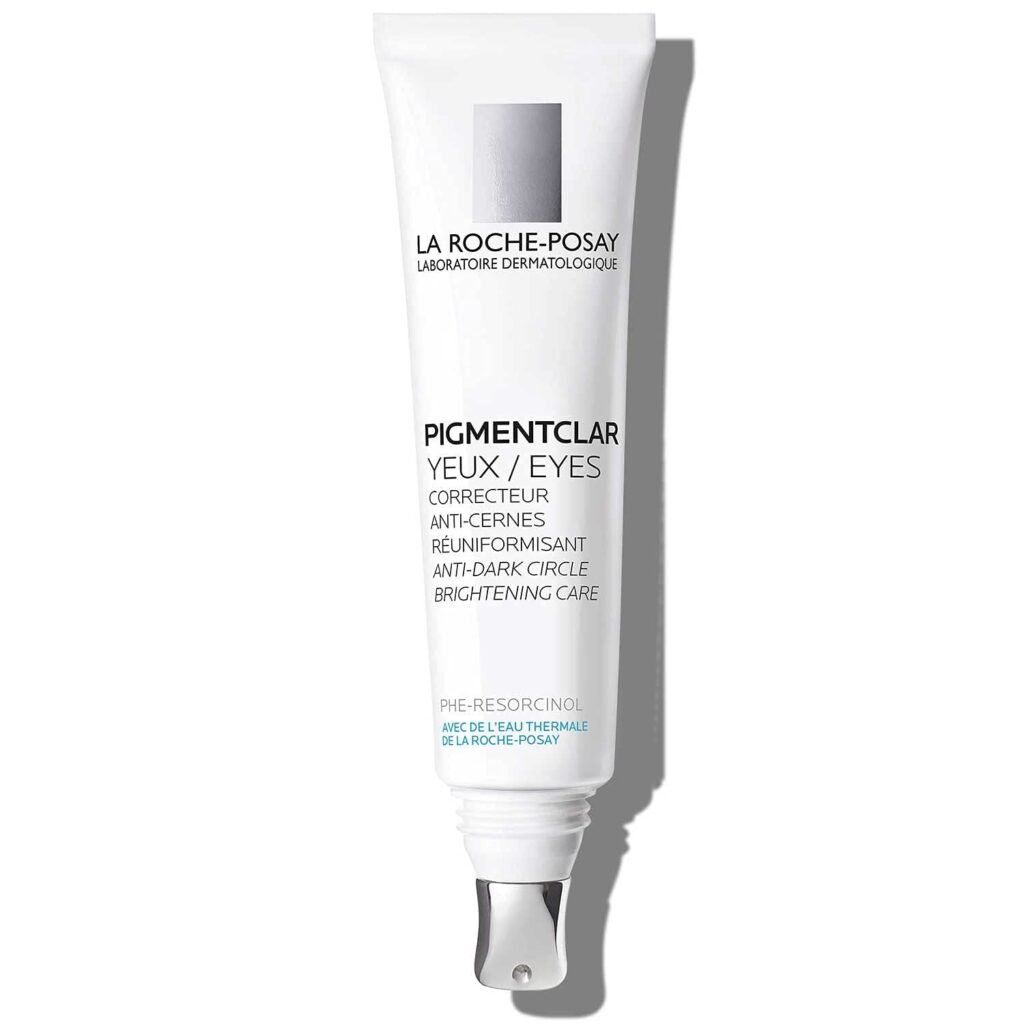
La Roche-Posay Pigmentclar Eye Cream — Best for Sensitive Genetic Skin
REASONS TO BUY
✅ LHA and phe-resorcinol disrupt melanin production at the enzymatic level
✅Niacinamide brightens, evens tone, and reinforces barrier integrity
✅Fragrance-free and allergy-tested for the most sensitive skin types
✅Pharmaceutical formulation with zero unnecessary additives
REASONS TO AVOID
⚠️ Focused on pigmentation only—limited benefit for vascular genetic circles
⚠️Lighter texture may not satisfy those wanting a richer feel
⚠️Full results require 8–10 weeks of consistent use
La Roche-Posay Pigmentclar is the dermatologist’s first choice for treating genetic pigmentation-driven dark circles in sensitive skin. Its pharmaceutical-grade formula uses LHA, phe-resorcinol, and niacinamide to systematically interrupt melanin synthesis at the cellular level—without the fragrance, irritants, or unnecessary additives that worsen reactive skin.
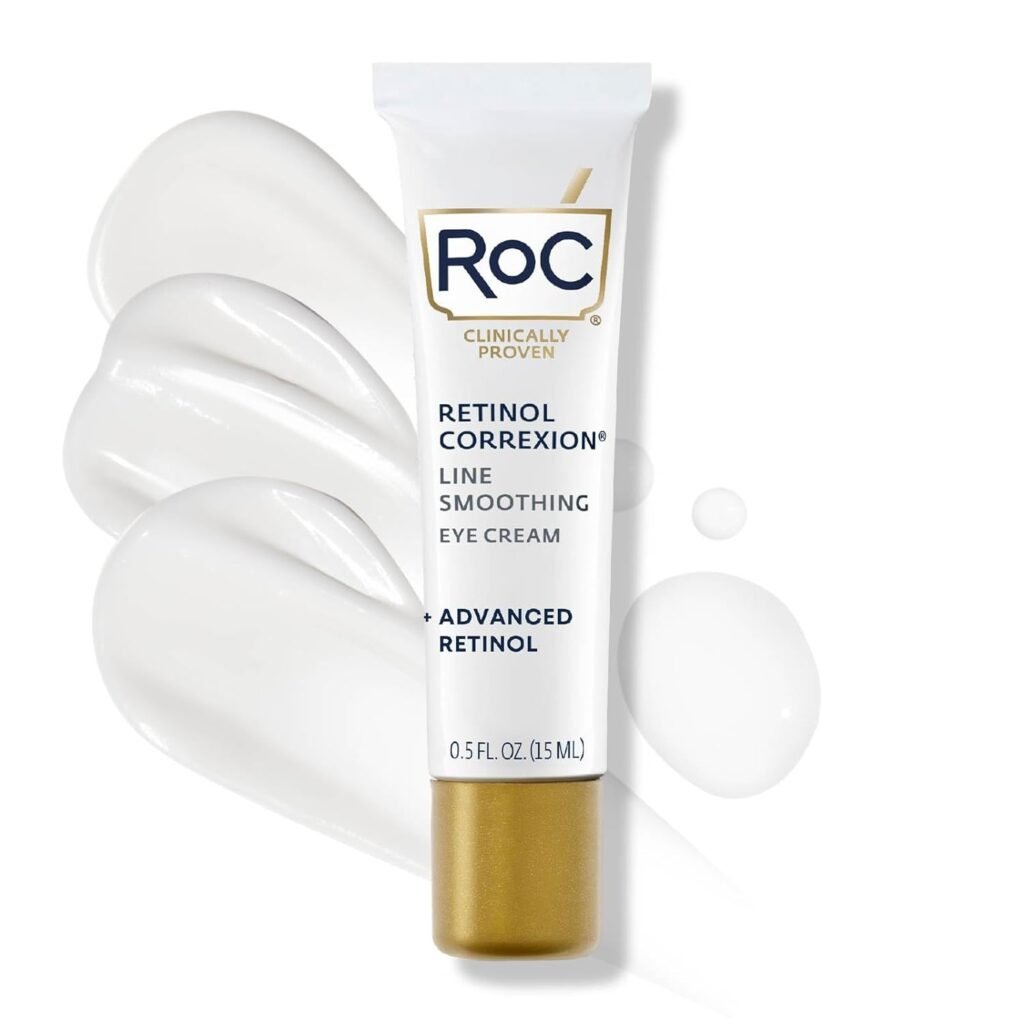
RoC Retinol Correxion Eye Cream — Best Budget for Genetic Circles
REASONS TO BUY
✅ Proven retinol accelerates cell turnover and fades genetic pigmentation over time
✅Hyaluronic acid hydrates and plumps simultaneously to reduce structural shadowing
✅Most affordable retinol eye cream with genuine clinical credibility
✅Addresses both genetic dark circles and fine lines in one formula
REASONS TO AVOID
⚠️ Requires gradual introduction—start every other night to prevent irritation
⚠️Not recommended during pregnancy or breastfeeding
⚠️Full results for genetic pigmentation take 10–12 weeks to develop
RoC Retinol Correxion brings clinically validated retinol technology to the budget end of the eye cream for dark circles market—making it the most accessible option for treating genetic dark circles that involve both pigmentation and early collagen loss. Decades of clinical backing and consistent dermatologist recommendation make it one of the most trusted formulas at any price point.
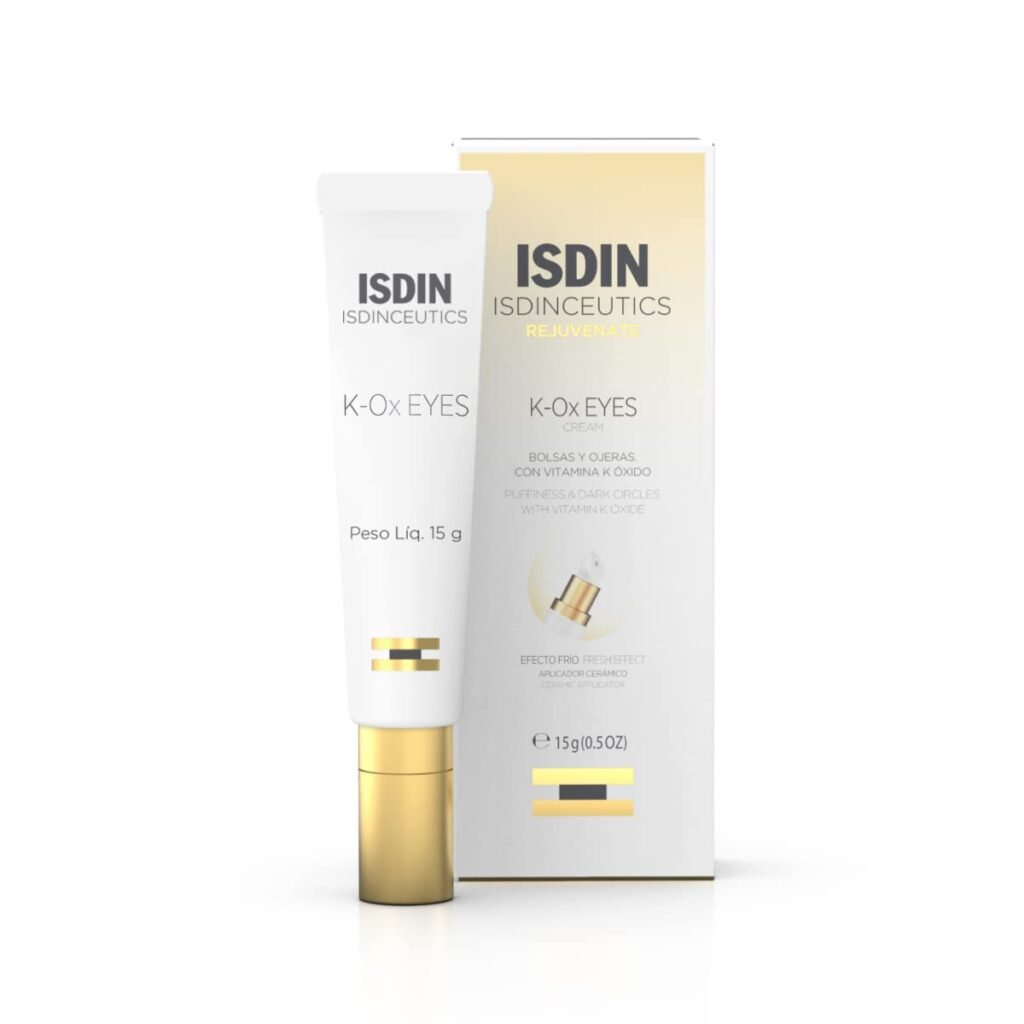
ISDIN K-Ox Eyes Cream — Best for Genetic Vascular Circles
REASONS TO BUY
✅ Vitamin K and haloxyl directly address genetic capillary fragility and hemoglobin deposits
✅Ceramic cooling applicator reduces puffiness instantly on contact
✅Niacinamide supports long-term tone and barrier health
✅Dermatologist-recommended specifically for vascular genetic dark circles
REASONS TO AVOID
⚠️Less effective for brown or grey pigmentation-driven genetic circles
⚠️Higher price than drugstore alternatives for vascular treatment
⚠️Ceramic applicator needs regular cleaning to prevent contamination
ISDIN K-Ox Eyes is the most targeted eye cream for dark circles caused by genetic vascular visibility—the blue and purple type common in East Asian, fair, and Celtic skin tones. Its combination of vitamin K, haloxyl, and niacinamide works directly on the capillary biology that makes genetic vascular circles so persistent, while the ceramic cooling applicator delivers instant de-puffing that makes every morning feel more manageable.
Care and Cleaning

Even the most effective eye cream for dark circles won’t deliver its full potential if your application technique or storage habits are working against you. Here’s how to get the most from every product:
How to Apply Correctly:
- Always cleanse your face before applying—residue from makeup or SPF blocks penetration
- Use your ring finger only—it applies the least pressure and protects the thinnest skin on your body
- Use a pea-sized amount per eye—overapplication leads to milia and wasted product
- Tap gently from inner corner outward along the orbital bone—never rub or drag
- Apply before heavier moisturizers so active ingredients absorb without a barrier
- Always follow with SPF in the morning—UV exposure is the primary environmental worsener of genetic dark circles
How to Store Correctly:
- Keep away from direct sunlight, heat, and humidity
- Refrigerate vitamin C formulas to slow oxidation and extend potency
- Use a clean spatula for jar products to prevent bacterial contamination
- Check the period-after-opening date—most formulas remain active for 6–12 months
Daily Hygiene Rules:
- Wash hands thoroughly before every application
- Never share eye cream—the under-eye area is adjacent to mucous membranes
- Apply to the orbital bone, not the lash line, to prevent product migration
FAQ – Are Dark Circles Genetic?

Can we get rid of genetic dark circles?
Completely eliminating genetic dark circles is extremely difficult because their root causes—orbital bone structure, inherited skin thickness, melanin biology, and capillary permeability—cannot be permanently altered by topical products alone. However, dramatically reducing their appearance is absolutely achievable. Consistent use of targeted eye creams for dark circles containing vitamin C, caffeine, niacinamide, and peptides can improve the appearance of genetic circles by 40–70% over 8–12 weeks. For the most significant results, clinical interventions like hyaluronic acid filler, laser resurfacing, or PRP therapy can reduce genetic dark circles by up to 90% in appropriate candidates. The realistic goal is not elimination but transformation—making genetic circles minimally visible with the right daily routine and occasional clinical support.
What ethnicity has dark circles under the eyes?
Dark circles are more prevalent and more pronounced in certain ethnicities due to inherited biological traits. South Asian populations show the highest prevalence—up to 65% of adults—driven by deep orbital structure, higher baseline melanin, and genetic periorbital hyperpigmentation. Middle Eastern, Mediterranean, and African skin tones are also significantly predisposed due to similar melanin biology and orbital depth. East Asian and fair Celtic skin tones experience prominent vascular circles due to inherited skin transparency. The question “are dark circles genetic” is particularly relevant for these populations, as lifestyle changes alone produce minimal improvement without targeted topical or clinical intervention.
What vitamin am I lacking if I have dark circles?
The most common nutritional contributor to dark circles is iron deficiency—the most prevalent nutritional deficiency worldwide—which reduces hemoglobin production and makes blood appear darker and more visible beneath thin under-eye skin. Vitamin K deficiency increases capillary fragility and vascular leakage, while vitamin C deficiency impairs both collagen production and melanin regulation. Vitamins B12, D, and E also play supporting roles in skin health, circulation, and barrier function. If you suspect a deficiency is compounding your genetic dark circles, a full blood panel including ferritin, B12, vitamin D, and folate is worth discussing with your physician before investing in topical treatments alone.
How to 100% get rid of dark circles?
Achieving 100% elimination of dark circles—particularly genetic ones—is not currently possible for most people through any single treatment or combination of treatments. However, the maximum achievable improvement comes from a comprehensive multi-pronged approach: daily use of clinically active eye creams for dark circles, consistent SPF application, optimized nutrition (particularly iron and vitamin K), allergy management, quality sleep, and periodic clinical treatments such as tear trough filler, laser resurfacing, or PRP. For structural circles caused by orbital hollowing, hyaluronic acid filler from a licensed provider is the closest thing to a complete solution—delivering 70–90% improvement that lasts up to 18 months. Accepting that genetic dark circles may always require ongoing management—rather than a one-time fix—is the most empowering and realistic mindset for long-term success.
Final Verdict: Are Dark Circles Genetic
Are dark circles genetic? Absolutely—and for the majority of people struggling with persistent under-eye shadows, genetics are the primary driver. From inherited skin transparency and orbital bone depth to melanin overproduction and capillary fragility, the biological traits that cause dark circles are largely written in your DNA long before lifestyle factors ever enter the picture.
But your genetics are not your destiny when it comes to under-eye appearance. The right eye creams for dark circles, paired with targeted nutrition, consistent SPF use, and strategic clinical intervention when needed, can produce a visible transformation that makes genetic dark circles a manageable concern rather than an inevitable one. Identify your specific type—vascular, pigmentary, structural, or mixed—match your treatment accordingly, and commit to the process with realistic expectations.
The five products on this list represent the best science-backed tools available for every genetic dark circle type in 2026. Start with the formula matched to your cause, apply it consistently twice daily, and give it a full 8–12 weeks to show what it can do. Your genetics may have written the first chapter of your under-eye story—but your skincare routine writes everything that comes after.
Note: This post contains Amazon affiliate links. If you make a purchase through these links, I may receive a small commission at no extra cost to you.