Makeup products for dark circles are the fastest, most immediately satisfying solution for under-eye shadows—delivering the kind of instant brightening and coverage that even the best skincare treatments take weeks to achieve. Whether your dark circles are genetic, driven by poor sleep, allergies, nutritional deficiencies, or a systemic condition like Hashimoto’s thyroiditis, the right makeup products for dark circles can transform your under-eye area from tired and shadowed to bright and rested in under five minutes flat.
But here’s the challenge most people run into: not all makeup products for dark circles are created equal, and choosing the wrong formula can actually make dark circles look worse rather than better. A concealer that’s too light creates a gray cast. A formula that’s too dry settles into fine lines and creases by midday. A color corrector applied without understanding undertones can clash rather than neutralize. Getting the most out of your makeup products for dark circles requires understanding both the color theory behind dark circle correction and the formula science that keeps coverage smooth, hydrated, and long-lasting throughout the day.
The good news is that makeup technology has advanced dramatically. Today’s best makeup products for dark circles don’t just cover—they also treat. Hydrating concealers packed with hyaluronic acid, vitamin C, and peptides address the skin beneath the coverage simultaneously, so your makeup routine is quietly improving your dark circles even while it hides them. From peach color correctors that neutralize blue-purple vascular shadows to full-coverage brightening concealers that erase deep brown discoloration, there is a targeted makeup product for dark circles for every skin tone, circle type, and coverage preference.
In this guide we review the five best makeup products for dark circles in 2026—tested across skin tones, circle types, and wear conditions. We also break down the color theory of dark circle correction, explain the most important vitamin deficiencies that worsen dark circles from the inside, share the best foods for brightening under-eye skin, and answer every question you have about building a dark-circle-proof makeup routine. Whether you’re a concealer minimalist or a full-coverage devotee, this guide gives you everything you need to look genuinely well-rested—every single day.
Table of Contents
Understanding Dark Circle Color Theory
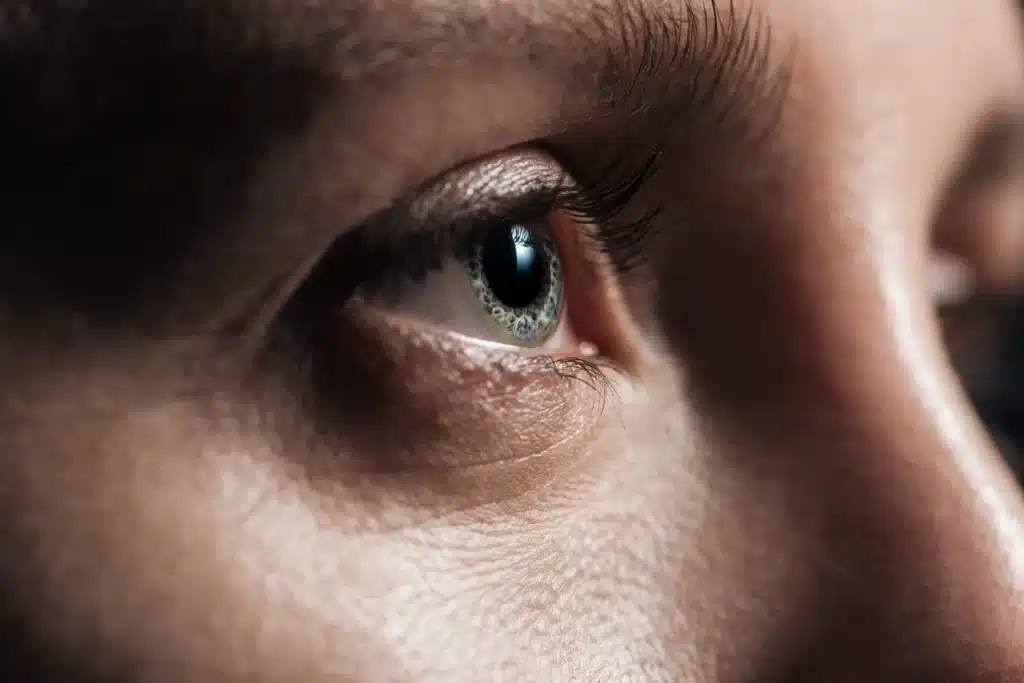
Before investing in any makeup products for dark circles, understanding color theory is essential—because the most common mistake people make is reaching for a concealer one or two shades lighter than their skin tone and wondering why their under-eyes still look shadowed. True dark circle correction requires color neutralization before coverage, and the right corrector color depends entirely on the undertone of your specific circles.
Blue or Purple Dark Circles
The most common type in fair and East Asian skin tones—caused by visible blood vessels through thin, translucent under-eye skin. These require a peach or salmon color corrector to neutralize the cool blue-purple undertone before concealer application. The deeper your skin tone, the more orange-leaning your corrector should be.
Brown or Grey Dark Circles
Most common in medium to deep skin tones—driven by melanin overproduction, post-inflammatory pigmentation, or sun damage. These require a peach to deep orange corrector depending on depth. Very dark brown circles on deep skin tones often respond best to a rich burnt orange or terracotta corrector before full-coverage concealer. According to Live Tinted’s 2026 color corrector guide, matching corrector undertone to the specific hue of your dark circles is the single most impactful technique for achieving natural-looking, seamless under-eye coverage.
Red or Pink Undertones
Less common—typically seen in very fair skin with post-inflammatory or allergy-driven redness beneath the eye. These respond best to a green or yellow corrector to neutralize the warm red tones before concealer.
Hollowing and Structural Shadows
These are three-dimensional shadows caused by tear trough hollowing rather than discoloration. Color correctors have limited effect here—the most effective makeup products for dark circles for this type are brightening, light-reflecting concealers applied precisely in the hollow and blended upward to create the illusion of volume.
The correct application order for makeup products for dark circles:
- Eye cream or primer to hydrate and prep the skin
- Color corrector matched to your circle undertone
- Concealer matched to or one shade lighter than your skin tone
- Set with a fine translucent or banana setting powder
- Brightening highlight at the inner corner for extra luminosity
How to Pick the Best Makeup Products for Dark Circles
Choosing the right makeup products for dark circles goes beyond color theory. Here are the key factors to evaluate before purchasing:
Coverage Level
- Light coverage — Best for minimal dark circles or everyday no-makeup looks; allows natural skin to show through
- Medium coverage — Most versatile; buildable to full coverage without looking heavy
- Full coverage — Best for deep, persistent dark circles that require complete neutralization; look for formulas with a skin-like finish to avoid a cakey appearance
Formula Type
- Liquid concealer — Most popular and versatile; hydrating options work best for under-eye use
- Cream concealer — Richest coverage; excellent for dry skin but may crease without setting
- Color correcting primer — Applied before concealer to neutralize discoloration
- Brightening concealer — Contains light-reflecting particles that create the illusion of brightness and wakefulness
- Stick concealer — Convenient but often too dry for under-eye use; best for spot correction only
Skin Type Considerations
- Dry skin — Prioritize hydrating, dewy-finish concealers with hyaluronic acid or glycerin; avoid matte formulas that emphasize dryness
- Oily skin — Look for long-wear, transfer-resistant formulas; set with translucent powder to prevent creasing
- Sensitive skin — Choose fragrance-free, ophthalmologist-tested formulas free from potential irritants
- Mature skin — Prioritize blurring, light-reflecting formulas over full-coverage matte options that settle into fine lines
Finish
- Luminous/dewy — Most flattering under the eyes; reflects light away from shadows
- Natural/satin — Most versatile across skin types and ages
- Matte — Best avoided under the eyes unless you have very oily skin; tends to look flat and emphasizes texture
Longevity
- Look for long-wear or waterproof formulas if you need your makeup products for dark circles to last through a full workday without touch-ups
- Setting with a fine translucent powder significantly extends the wear of any concealer formula
The 5 Best Makeup Products for Dark Circles in 2026
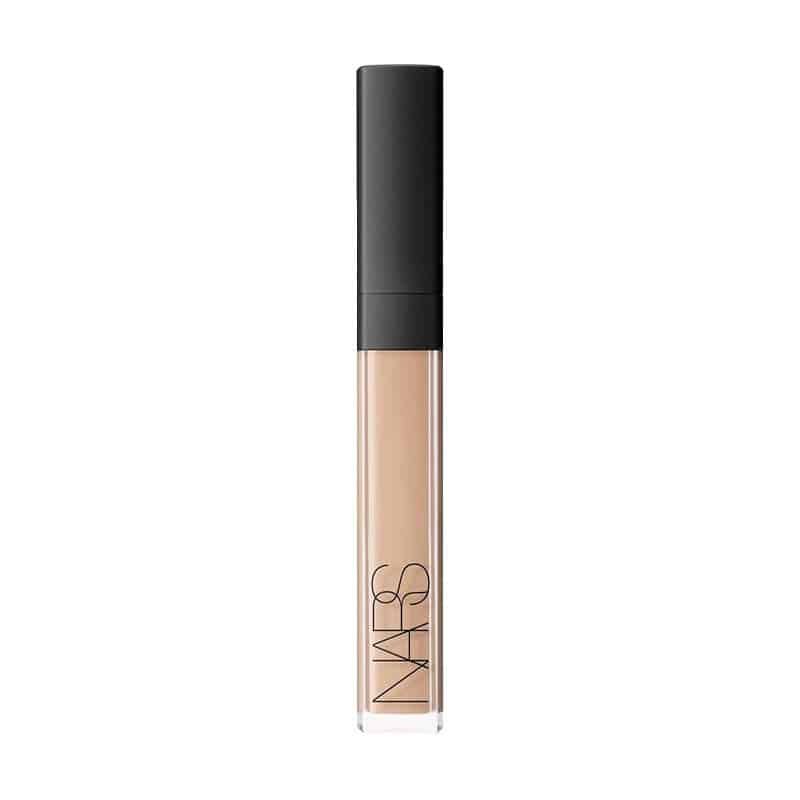
NARS Radiant Creamy Concealer — Best Overall Makeup Product for Dark Circles
Read the full NARS Radiant Creamy Concealer Review
REASONS TO BUY
✅ Buildable medium-to-full coverage neutralizes all dark circle types effectively
✅Luminous finish reflects light away from shadows for a genuinely bright appearance
✅Hydrating formula with vitamin E and hyaluronic acid treats skin while covering it
✅Available in 30+ shades with warm, cool, and neutral undertone options
✅Lasts all day without settling into fine lines or creasing
✅Works beautifully on all skin tones including medium and deep
REASONS TO AVOID
⚠️ Requires setting powder for oily skin types to prevent creasing by midday
⚠️Full-coverage application may look heavy without blending technique
⚠️Premium price point compared to drugstore alternatives
NARS Radiant Creamy Concealer is the best overall makeup product for dark circles on this list—a dermatologist-loved, editor-acclaimed formula that delivers medium-to-full buildable coverage with a luminous, skin-like finish that makes under-eyes look naturally bright rather than heavily made up. Tested and ranked as one of the best under-eye concealers of 2026 by both Yahoo Shopping and InStyle, it consistently outperforms competitors in both coverage quality and all-day wear without creasing.
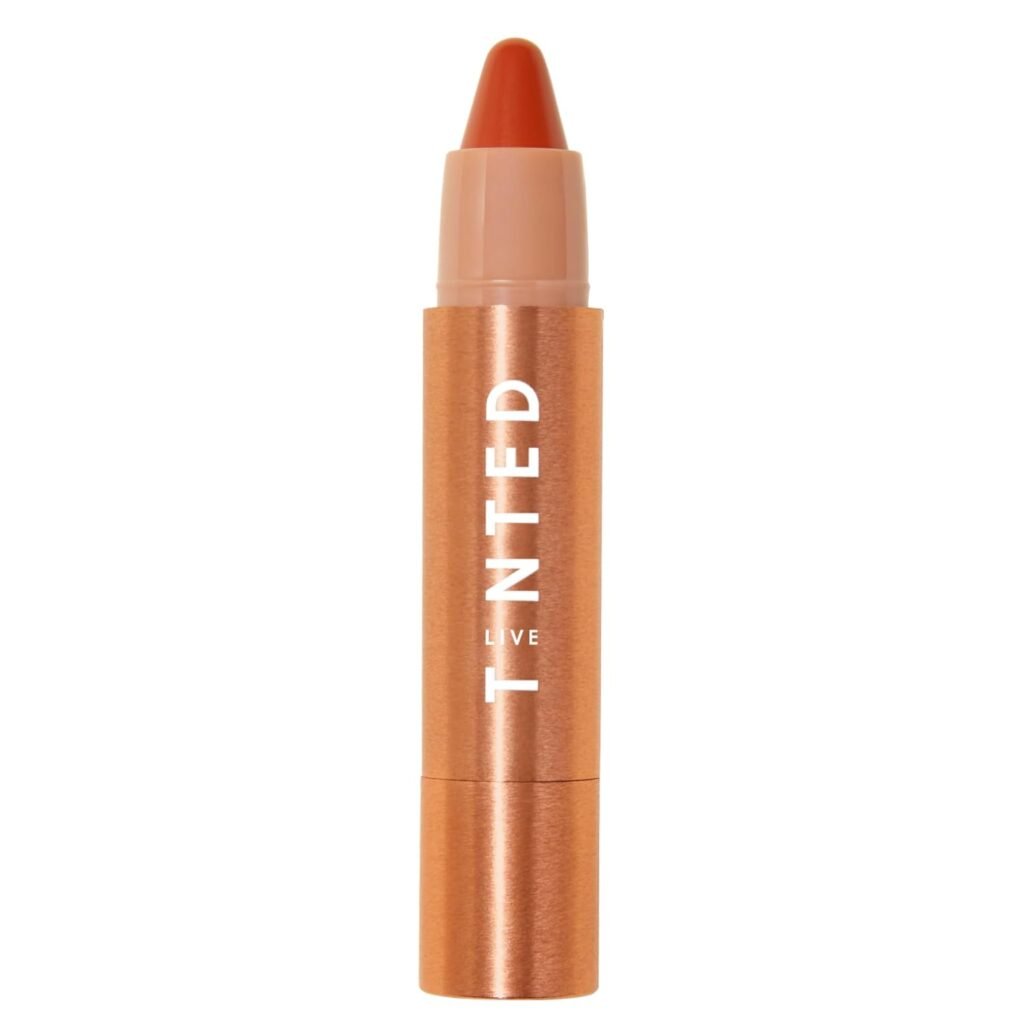
Live Tinted Huestick — Best Color Corrector for Dark Circles
Read the full Live Tinted Huestick Review
REASONS TO BUY
✅ Five precisely calibrated shades cover the full spectrum from fair to deep skin tones
✅Creamy, blendable formula melts into skin without emphasizing texture
✅Multi-use as color corrector, concealer, and contour depending on shade
✅Niacinamide and vitamin C treat skin while correcting color
✅Vegan and cruelty-free with clean ingredient formulation
✅Stick format offers precise, mess-free application directly to the under-eye
REASONS TO AVOID
⚠️ Stick format requires warming with fingers or brush before blending for smoothest results
⚠️Medium coverage only—deep circles may require a full-coverage concealer layered over top
⚠️Less widely available in physical stores—primarily online purchase
Live Tinted Huestick is the most versatile and inclusive color correcting makeup product for dark circles on this list—a revolutionary multi-use correcting stick available in five shades specifically designed to address dark circles, hyperpigmentation, and uneven tone across every skin tone from fair to deep. Developed by a brand built specifically for and by people of color, it fills the enormous gap in the color corrector market for medium to deep skin tones that most traditional peach correctors completely fail to address. Ranked as one of the best color correctors for dark circles in 2026 by Live Tinted’s own clinical research showing significant improvement in dark spot concealment across diverse skin tones.
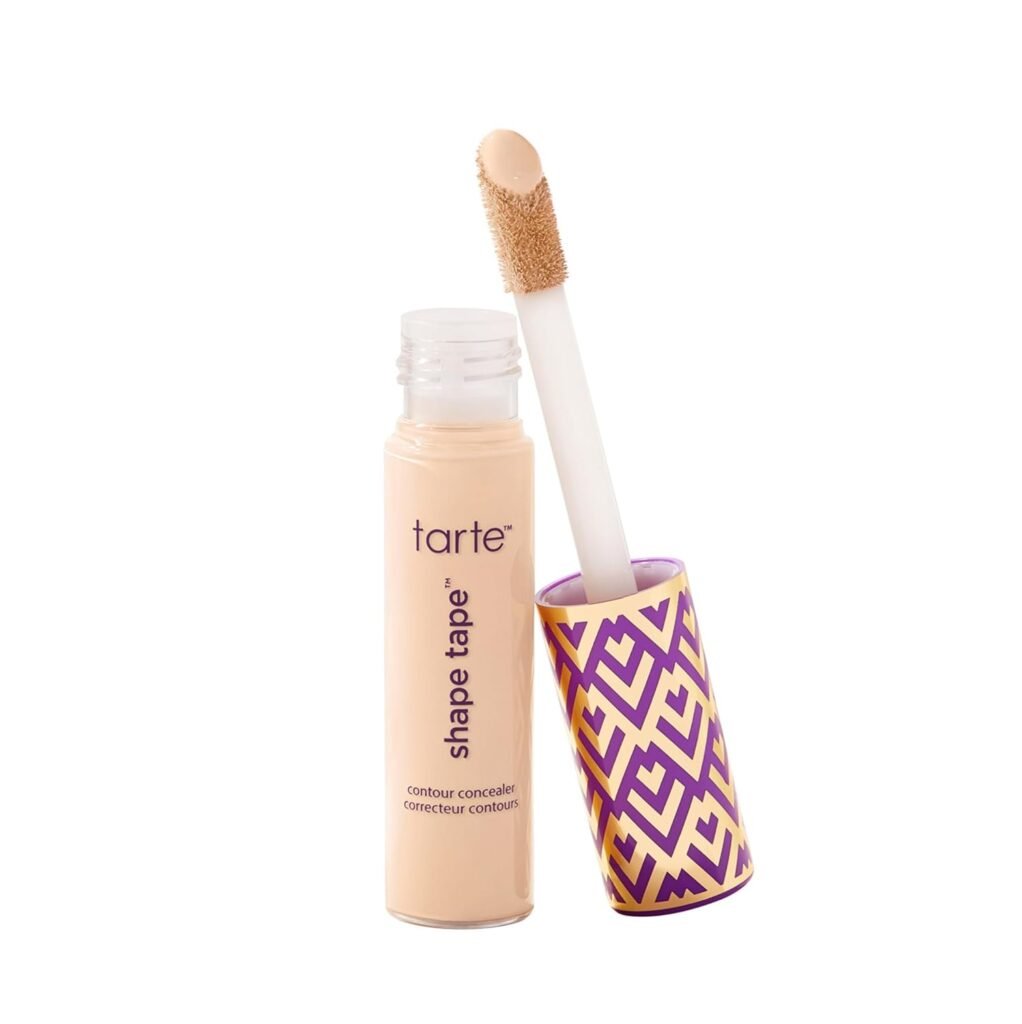
Tarte Shape Tape Concealer — Best Full Coverage Makeup Product for Dark Circles
Read the full Tarte Shape Tape Concealer Review
REASONS TO BUY
✅ True full coverage neutralizes the deepest and most stubborn dark circles completely
✅Long-wearing, crease-resistant formula lasts up to 16 hours
✅Mango and shea butter formula stays hydrating despite full coverage density
✅Available in 30+ shades with multiple undertone options
✅Water-resistant—ideal for humid climates, long days, or emotional occasions
✅Works well under powder for extended wear without touch-ups
REASONS TO AVOID
⚠️ Heavy formula requires precise blending to avoid a cakey appearance
⚠️Matte finish can emphasize fine lines on mature or very dry skin without a hydrating primer
⚠️Strong formula may feel heavy for minimal-makeup preference wearers
Tarte Shape Tape is the gold standard of full-coverage makeup products for dark circles—a cult-favorite concealer with a devoted global following that delivers the kind of opaque, long-lasting coverage needed to completely neutralize even the deepest and most persistent dark circles. Named one of the best full-coverage under-eye concealers of 2026 by the NY Times Wirecutter and consistently ranked among the top-selling concealers at Sephora.
Charlotte Tilbury Magic Serum Crystal Elixir Eye — Best Skincare-Makeup Hybrid
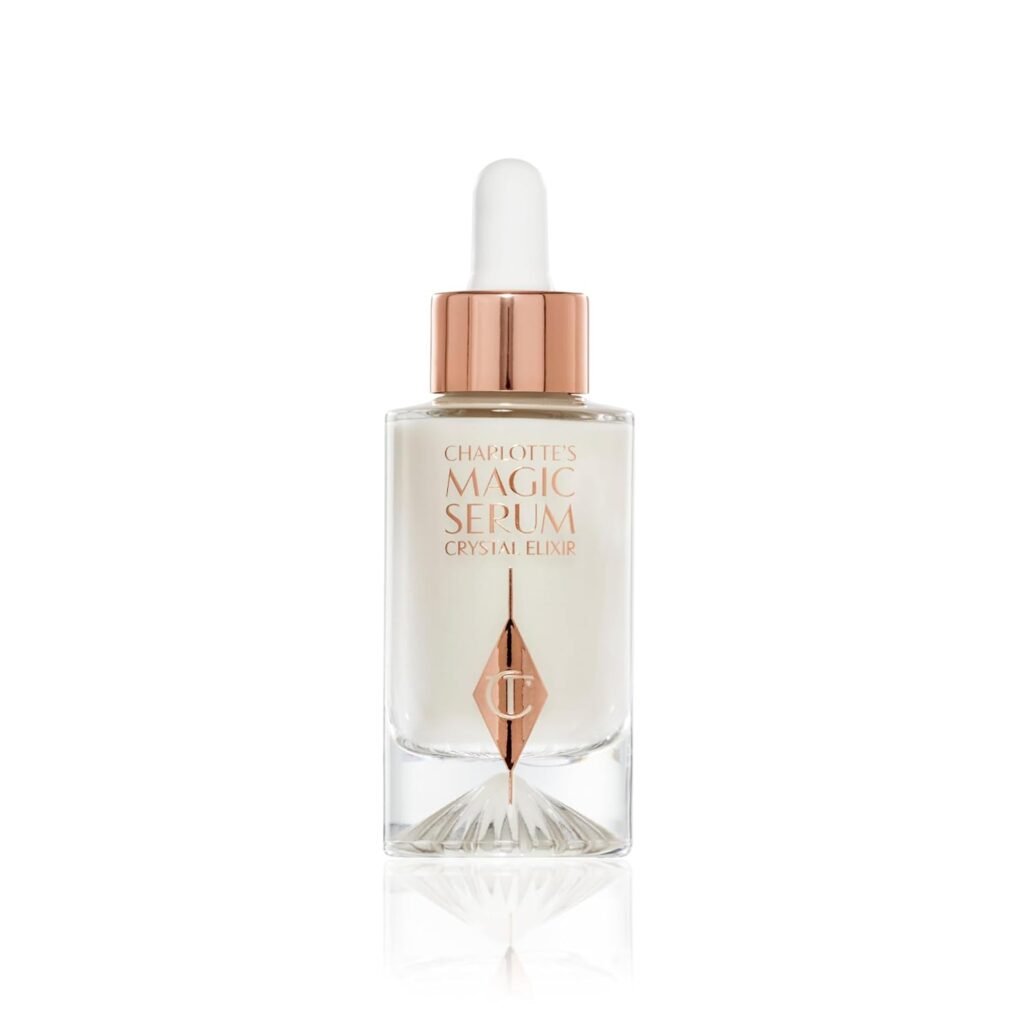
Read the full Charlotte Tilbury Magic Serum Crystal Elixir Eye Review
REASONS TO BUY
✅ Crystal-encapsulated vitamin C and peptides actively brighten and firm while worn
✅Light-diffusing pearls create an instant brightening effect beyond pigment coverage
✅Featherlight texture layers beautifully under or over concealer
✅Suitable for all skin tones and types including sensitive skin
✅Doubles as an eye primer that extends concealer wear significantly
✅Fragrance-free and ophthalmologist-tested
REASONS TO AVOID
⚠️ Sheer coverage only—not a standalone concealer for deep dark circles
⚠️Premium price point for what is primarily a treatment primer
⚠️Best results require pairing with a full-coverage concealer for maximum effect
Charlotte Tilbury Magic Serum Crystal Elixir Eye is the most innovative makeup product for dark circles on this list—a cutting-edge hybrid formula that blurs the line between skincare and makeup by delivering clinical-grade brightening actives alongside light-diffusing coverage in a single product. Rather than simply covering dark circles, this formula actively treats them while you wear it—making every day of use a step toward long-term improvement.
e.l.f. Hydrating Camo Concealer — Best Budget Makeup Product for Dark Circles
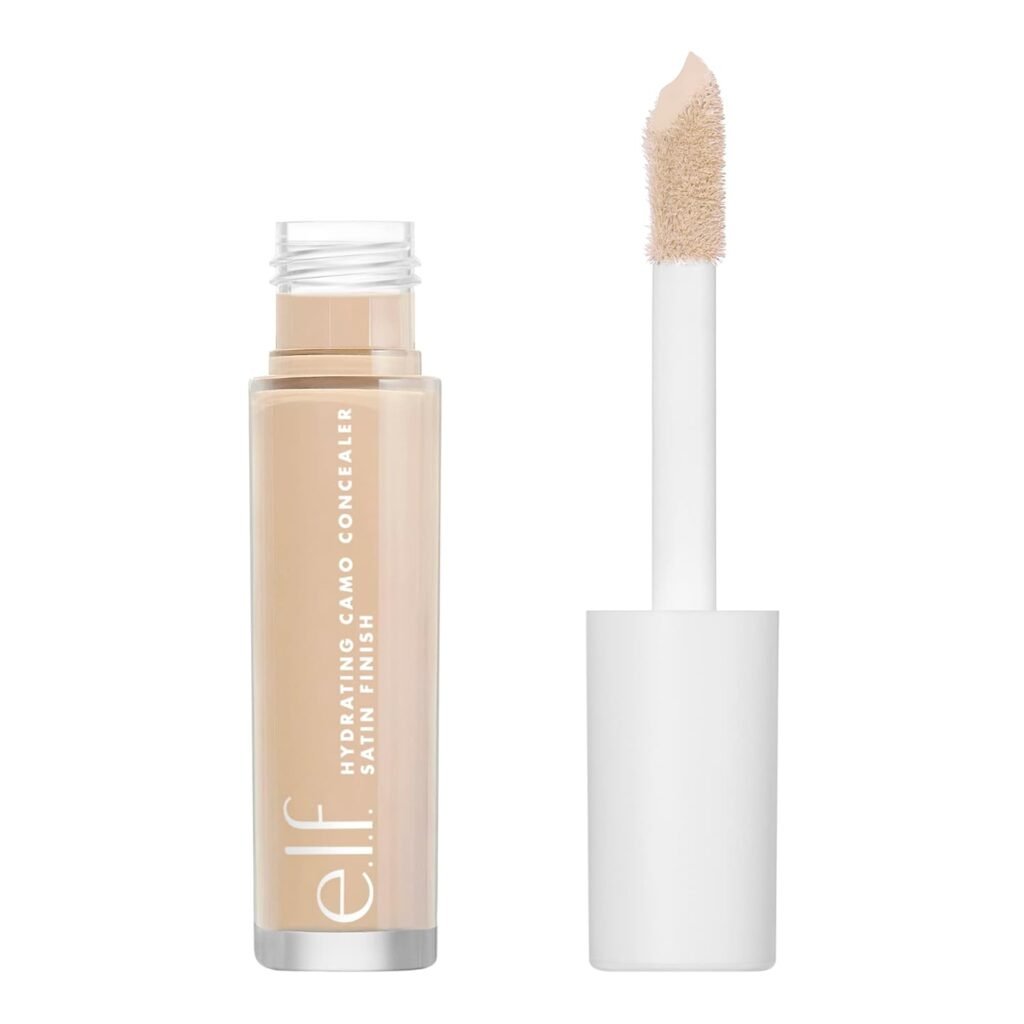
Read the full e.l.f. Hydrating Camo Concealer Review
REASONS TO BUY
✅Full coverage neutralizes dark circles effectively at a fraction of premium prices
✅Hydrating formula with squalane and aloe keeps under-eye skin moisturized
✅50+ shades covering the widest skin tone range of any drugstore option
✅Crease-resistant and long-wearing without setting powder
✅Vegan and cruelty-free formulation
✅Available at almost every drugstore and mass retailer nationwide
REASONS TO AVOID
⚠️ Satin-to-matte finish may not suit those who prefer a luminous under-eye look
⚠️Thick formula requires careful blending to avoid visible edges
⚠️Not as long-wearing as premium options on very oily skin without setting
e.l.f. Hydrating Camo Concealer is the best budget makeup product for dark circles on this list—a full-coverage, crease-resistant formula with a genuinely hydrating base that delivers results comparable to concealers costing five to ten times more. Consistently ranked among the best drugstore concealers of 2026 by Yahoo Shopping and praised by the beauty community for its exceptional shade range of 50+ options and its accessibility at under $15.
Key Ingredients to Look for in Makeup Products for Dark Circles
Modern makeup products for dark circles increasingly double as skincare—delivering clinically active ingredients beneath coverage that treat the underlying concern while your makeup is on. Here’s what to look for:
Hyaluronic Acid
Hydrates the delicate under-eye skin throughout the day, preventing the dryness and fine line emphasis that causes concealer to crease. Essential in any hydrating makeup product for dark circles for dry or mature skin types.
Vitamin C
Brightens the skin beneath coverage and works to fade pigmentation over time with consistent daily use. A concealer containing vitamin C is genuinely doing double duty as both makeup and skin care product for dark circles simultaneously.
Caffeine
Reduces puffiness and vascular visibility even while the product sits on the skin. Found in increasingly advanced concealer and eye primer formulas.
Niacinamide
Reduces inflammation and supports skin barrier health beneath coverage. Particularly valuable for sensitive or allergy-prone under-eye skin.
Peptides
Stimulate collagen production and firm the under-eye skin over time with consistent use—delivering long-term skincare benefits inside your daily makeup routine.
Light-Diffusing Particles
Optical brighteners, pearl pigments, and micro-reflective particles in the formula scatter light away from the under-eye area, creating a brightness and lifted appearance that goes beyond what pigment coverage alone achieves. The most effective brightening makeup products for dark circles use these alongside true coverage pigments.
SPF
UV exposure is one of the leading causes of worsening dark circles—particularly melanin-driven pigmentation. A concealer or eye area primer containing SPF adds an important protective layer that prevents your dark circles from deepening over time.
What Vitamin Deficiency Causes Dark Circles Under the Eyes?

No discussion of makeup products for dark circles is complete without addressing the internal factors that make dark circles worse—because the best concealer in the world works better when the skin beneath it is in its healthiest possible state. Nutritional deficiencies are among the most correctable contributors to dark circle severity, and addressing them from the inside can visibly improve the effectiveness of every topical treatment and makeup product for dark circles you use.
Iron — The Most Common Deficiency Globally
Iron deficiency anemia is the single most prevalent nutritional cause of dark circles worldwide. Low iron reduces hemoglobin production, leaving blood oxygen-depleted and visibly darker beneath already-thin under-eye skin. This creates or dramatically worsens the blue-purple vascular dark circles that require the most color corrector to cover. Signs of iron deficiency alongside dark circles include chronic fatigue, pale skin, brittle nails, and shortness of breath. According to clinical research published by the NIH on causative factors in periorbital hyperpigmentation, iron deficiency is directly and consistently linked to visible periorbital darkness. Dietary sources: red meat, lentils, spinach, pumpkin seeds, fortified cereals.
Vitamin K
Vitamin K regulates blood coagulation and capillary health. Deficiency increases vascular permeability—allowing small amounts of blood to leak into periorbital tissue and create the hemoglobin deposits that cause bluish discoloration. Hemoglobin degradation is identified as one of the three primary causes of under-eye discoloration according to NIH research on dark circle aetiology. Dietary sources: kale, spinach, broccoli, Brussels sprouts, fermented foods.
Vitamin C
Essential for collagen synthesis and the inhibition of tyrosinase—the enzyme driving melanin overproduction. Deficiency simultaneously thins the collagen layer beneath the eyes (increasing vascular visibility) and allows melanin to accumulate unchecked (worsening pigmentary circles). Both topical and dietary vitamin C are beneficial. Dietary sources: citrus fruits, bell peppers, strawberries, kiwi, guava.
Vitamin B12
B12 deficiency causes megaloblastic anemia—a condition that produces pale, thin skin with highly visible vascular structures and contributes to profound chronic fatigue that disrupts sleep. Particularly common in vegans, vegetarians, and older adults with reduced gastric acid production. According to a comprehensive NIH study on periorbital hyperpigmentation, B12 deficiency is directly linked to periorbital skin changes. Dietary sources: eggs, dairy, meat, fortified plant milks.
Vitamin D
Chronic deficiency impairs skin barrier function, increases systemic inflammation, and heightens allergic reactivity—all of which worsen dark circles through multiple pathways. Vitamin D deficiency is also associated with increased autoimmune activity including Hashimoto’s thyroiditis—a known independent cause of under-eye darkness. Dietary sources: fatty fish, egg yolks, fortified dairy, sensible sun exposure.
Vitamin E
Protects skin cells from oxidative damage caused by UV radiation and environmental pollution. Deficiency accelerates the breakdown of already-thin under-eye collagen, worsening both structural and pigmentary circles over time. Dietary sources: almonds, sunflower seeds, avocado, olive oil.
Magnesium
Regulates fluid balance, reduces systemic inflammation, and supports sleep quality. Deficiency—estimated to affect up to 50% of adults—contributes to fluid retention, poor sleep architecture, and heightened histamine reactivity, all of which worsen dark circles. A full blood panel including ferritin, B12, vitamin D, and magnesium is worth discussing with your physician before investing heavily in either skincare or makeup products for dark circles. According to Jinfiniti’s 2026 vitamin deficiency review, correcting these deficiencies can produce meaningful improvement in under-eye appearance alongside topical and makeup-based approaches.
What Foods Help With Dark Circles?

The most effective makeup products for dark circles work best when your under-eye skin is as healthy and nourished as possible from within. These are the foods most directly linked to reducing the severity of dark circles through nutritional support:
Iron-Rich Foods
Spinach, lentils, red meat, tofu, pumpkin seeds, quinoa, and fortified cereals directly address the most common nutritional cause of dark circles. Pair plant-based iron sources with vitamin C-rich foods to enhance absorption by up to 67%.
Vitamin C Foods
Bell peppers (highest per serving), citrus fruits, strawberries, kiwi, guava, broccoli, and papaya provide the vitamin C needed for both collagen synthesis and melanin inhibition. Regular high vitamin C intake supports the same brightening pathway as topical vitamin C skin care products for dark circles but from the inside out.
Vitamin K Foods
Kale, spinach, Swiss chard, Brussels sprouts, broccoli, and fermented foods like natto strengthen capillary walls and reduce the vascular leakage that causes hemoglobin deposits beneath the eyes. Consistently ranked among the most effective dietary interventions for blue-purple vascular circles by nutritional dermatology research.
Antioxidant-Rich Foods
Blueberries, green tea, dark chocolate, pomegranate, and turmeric deliver high concentrations of polyphenols and antioxidants that neutralize the free radical damage driving both collagen breakdown and melanin overproduction in the under-eye area. Green tea’s EGCG—the same ingredient found in leading makeup products for dark circles and eye creams—is particularly well-studied for periorbital antioxidant protection.
Hydrating Foods
Cucumber, watermelon, celery, coconut water, and citrus fruits support systemic hydration that directly reduces the dehydration-driven skin translucency making dark circles more visible. Chronic dehydration amplifies every type of dark circle—and no amount of hydrating makeup products for dark circles fully compensates for inadequate internal hydration.
Omega-3 Fatty Acid Foods
Fatty fish (salmon, sardines, mackerel), flaxseeds, chia seeds, and walnuts reduce systemic inflammation, support skin barrier integrity, and improve circulation—addressing the inflammatory and vascular components of dark circles simultaneously. Omega-3s are among the most evidence-backed dietary interventions for skin health overall.
Collagen-Supporting Foods
Bone broth, egg whites, citrus fruits, and leafy greens provide the amino acids and cofactors needed for collagen synthesis in the under-eye area—directly counteracting the structural thinning that makes dark circles more visible with age.
Foods to Reduce or Avoid:
- High-sodium foods — Drive fluid retention and periorbital puffiness
- Alcohol — Dehydrates, disrupts sleep, and causes vascular dilation
- High-histamine foods — Fermented foods, aged cheese, wine, processed meats worsen histamine-driven vascular circles
- Refined sugar — Accelerates glycation that breaks down collagen and worsens structural shadows
How to Apply Makeup Products for Dark Circles Like a Pro
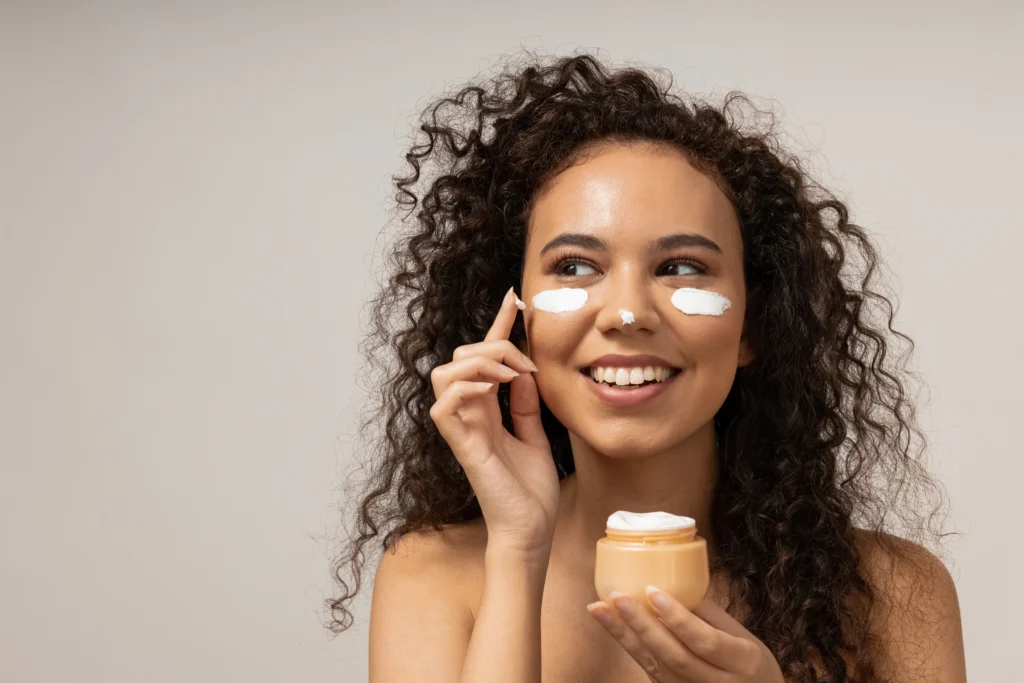
Getting the most from your makeup products for dark circles comes down to technique as much as product selection. Here’s a step-by-step professional application routine:
Step 1 — Eye Cream
Apply your eye cream or serum first and allow it to fully absorb for 2–3 minutes. A hydrated base prevents concealer from settling into fine lines and dramatically extends wear time. Look for an eye cream containing caffeine and hyaluronic acid for the best concealer-ready prep.
Step 2 — Eye Primer
Apply a dedicated eye primer or brightening serum-primer to the under-eye area. This creates a smooth, even canvas that maximizes the coverage and longevity of every makeup product for dark circles applied over it.
Step 3 — Color Corrector
Apply your corrector—peach or salmon for blue-purple circles, deeper peach or terracotta for brown circles—using your ring finger or a small synthetic brush. Apply only where darkness is most concentrated rather than flooding the entire under-eye area. Less is more at this stage.
Step 4 — Concealer
Apply your concealer in a thin, even layer using a damp beauty sponge or a flat synthetic brush. The damp sponge technique blends coverage into the skin rather than sitting on top of it—producing the most natural, skin-like finish. Build coverage in thin layers rather than applying one heavy layer.
Step 5 — Setting Powder
Set with the lightest possible dusting of translucent or banana setting powder using a fluffy brush. Press the powder into the skin rather than sweeping it to avoid disturbing coverage. This step is essential for preventing creasing in any makeup product for dark circles throughout the day.
Step 6 — Brightening Highlight
Apply a tiny amount of brightening highlight or illuminating concealer to the inner corner of the eye and the highest point of the under-eye area. This final step catches the light and creates the illusion of lifted, fully bright under-eye skin.
Care and Removal

Proper removal of makeup products for dark circles is as important as correct application—especially since the under-eye area is the most fragile skin on the face and aggressive makeup removal is one of the most common causes of collagen damage and premature aging around the eyes.
How to Remove Correctly:
- Never rub or drag makeup off the under-eye area—the fragile elastic fibers beneath the skin break down permanently with repeated mechanical stress
- Apply a gentle micellar water or oil-based cleanser to a soft cotton pad and hold against the under-eye for 10–15 seconds before gently wiping
- Use downward strokes from lash line to cheek—never horizontal rubbing motions
- Follow immediately with eye cream to restore hydration stripped during removal
- Never sleep in concealer—residual makeup beneath the eyes overnight clogs pores, causes milia, and prevents overnight cellular repair
Storage and Hygiene:
- Keep makeup products for dark circles away from heat and humidity—bathroom counter storage above a hot shower accelerates product degradation
- Replace liquid concealers every 12 months after opening
- Clean applicator sponges and brushes weekly to prevent bacterial contamination near the eye area
- Never share concealer or color correctors—the under-eye area is adjacent to mucous membranes
FAQ – Makeup Products for Dark Circles

What vitamin deficiency causes dark circles under the eyes?
The most common and clinically documented nutritional deficiencies linked to dark circles are iron (reduces hemoglobin and makes blood appear darker beneath thin skin), vitamin K (increases capillary fragility and allows vascular leakage into periorbital tissue), vitamin C (impairs collagen synthesis and allows melanin overproduction), and vitamin B12 (causes anemia-driven pallor and skin thinning). According to NIH research on periorbital hyperpigmentation and Jinfiniti’s 2026 deficiency review, vitamin D and magnesium deficiencies also contribute by increasing inflammation and disrupting sleep quality. Correcting these deficiencies from the inside dramatically improves the effectiveness of every makeup product for dark circles and skincare treatment you use externally.
What foods help with dark circles?
The most effective dietary interventions for dark circles target the nutritional deficiencies that worsen them most directly. Iron-rich foods like spinach, lentils, and red meat address anemia-driven vascular darkness. Vitamin C foods like bell peppers, kiwi, and citrus support both collagen production and melanin inhibition. Vitamin K-rich foods like kale, broccoli, and fermented foods strengthen capillary integrity. Antioxidant-rich foods like blueberries, green tea, and dark chocolate neutralize free radical damage that accelerates collagen breakdown. Hydrating foods like cucumber and watermelon reduce the skin translucency that makes dark circles more visible. According to Nature’s Zest Nutrition and Beautology’s dietary research, a nutrient-dense diet targeting these key deficiencies can meaningfully reduce dark circle severity over time alongside your topical and makeup products for dark circles routine.
What actually helps dark circles?
What actually helps dark circles is a multi-pronged strategy that combines the right topical skin care products for dark circles, consistent SPF application every morning, targeted nutrition addressing underlying deficiencies, management of systemic conditions like Hashimoto’s thyroiditis or histamine intolerance if applicable, and the right makeup products for dark circles for immediate coverage while long-term treatments work. Clinically, vitamin C, niacinamide, caffeine, retinol, and peptide-based eye creams have the strongest evidence base for topical improvement—delivering 40–70% visible improvement over 8–12 weeks according to NIH clinical research. For immediate results, color correctors and brightening concealers provide the fastest transformation. For the most stubborn structural circles, hyaluronic acid filler from a licensed provider remains the most effective single intervention available. The key insight is that makeup products for dark circles and skincare treatments work best as complements—not alternatives—to each other.
What is the best makeup for dark circles under eyes?
The best overall makeup product for dark circles for most people is NARS Radiant Creamy Concealer—offering buildable medium-to-full coverage with a luminous finish that brightens rather than flattens the under-eye area, available in shades for every skin tone. For the best color corrector, Live Tinted Huestick is the most inclusive and clinically calibrated option across all skin tones. For maximum coverage of the deepest circles, Tarte Shape Tape delivers unmatched full-coverage longevity. For a skincare-makeup hybrid approach, Charlotte Tilbury Magic Serum Crystal Elixir Eye is the most innovative treatment-first option. And for the best budget choice, e.l.f. Hydrating Camo Concealer delivers premium-quality results at under $15.
What makeup do I use for dark circles?
The most effective routine using makeup products for dark circles combines two key steps: a color corrector matched to your circle’s undertone, followed by a concealer matched to your skin tone. For blue-purple circles (most common in fair and East Asian skin), use a peach or salmon corrector before a luminous concealer. For brown or grey circles (most common in medium to deep skin tones), use a deeper peach or terracotta corrector before a full-coverage concealer. Always apply to prepped, hydrated skin and set with a light translucent powder for crease-free all-day wear. According to Live Tinted’s 2026 color corrector guide, matching your corrector undertone to your specific circle hue is the single most impactful technique upgrade most people can make to their makeup products for dark circles routine.
What makeup can I use for dark circles?
The most effective approach uses two products together: a color corrector matched to your circle’s undertone, followed by a concealer matched to your skin tone. For blue-purple circles—including those driven by sinus congestion, histamine intolerance, or thyroid-related puffiness—use a peach or salmon corrector. For brown or grey circles, use a deeper peach, orange, or terracotta corrector. Then apply a medium-to-full coverage concealer and set lightly with translucent powder.
Can thyroid issues cause dark circles?
Yes—thyroid disorders, particularly hypothyroidism and Hashimoto’s thyroiditis, drive dark circles through myxedematous fluid retention, skin thinning, pallor, iron deficiency anemia, and chronic fatigue-driven sleep disruption. According to Ophthalmogen’s 2025 thyroid and dark circles review and Raymond Douglas MD’s clinical overview, these are documented causes of periorbital darkness that require medical evaluation for full resolution. Topical makeup products for dark circles remain effective for cosmetic coverage in the meantime.
Can histamine intolerance cause dark circles under eyes?
Yes—histamine intolerance causes persistent vasodilation in periorbital vessels, increased capillary permeability that allows fluid leakage into under-eye tissue, sleep disruption from histamine’s wake-promoting effects, and gut inflammation that impairs absorption of key skin-supporting nutrients. The result is blue-purple vascular circles that worsen with high-histamine foods, alcohol, and certain medications. Peach correctors and caffeine-based makeup formulas are most effective for this type of dark circle.
What is the best product to get rid of dark eye circles?
No single product permanently removes dark circles, but the most effective makeup approach is a color corrector plus full-coverage concealer combination. For skincare-based long-term improvement, vitamin C, niacinamide, caffeine, and peptide-based eye creams are the most clinically supported active ingredients. For sinus-driven or histamine-related circles, addressing the underlying congestion or dietary trigger also dramatically reduces the severity of what your makeup products for dark circles need to cover.
How do makeup artists cover dark circles?
Professional makeup artists use a five-step process: prep skin with moisturizer and primer, apply color corrector matched to circle undertone, layer concealer with a damp sponge in thin coats, set with banana or translucent powder using a pressing technique, and finish with brightening highlight at the inner corner only. The most critical professional insight is that corrector does the neutralizing work and concealer provides coverage—using only concealer is what causes the gray, ashy patches most people experience.
Can dairy cause dark circles under the eyes?
Dairy can worsen dark circles in people with dairy sensitivity, lactose intolerance, or casein reactivity by triggering nasal congestion and the allergic shiner mechanism, raising histamine levels through high-histamine aged cheese and fermented dairy, and creating gut inflammation that disrupts sleep and nutrient absorption. It is not a universal cause, but if dark circles consistently worsen alongside congestion or digestive symptoms after dairy, a supervised elimination trial is worth pursuing.
Can blocked sinuses cause dark circles?
Yes—this is a well-documented phenomenon called allergic shiners. Nasal and sinus congestion obstructs venous and lymphatic drainage beneath the eyes, causing blood to pool in periorbital vessels and show through thin under-eye skin as blue-purple darkness. According to the Cleveland Clinic’s overview of allergic shiners, this is one of the most common causes of dark circles in both children and adults with allergic rhinitis. Treating the underlying congestion is the most effective long-term approach, while peach correctors and caffeine formulas address the cosmetic appearance in the meantime.
Final Verdict: Best Makeup Products for Dark Circles
Makeup products for dark circles offer something that even the best skincare treatments cannot: immediate, visible results from the very first application. Whether you’re covering stubborn hereditary circles for a job interview, neutralizing allergy-driven puffiness for a night out, or simply wanting to look more rested and refreshed on a tired Monday morning—the right color corrector and concealer combination can transform your under-eye area in minutes.
The five makeup products for dark circles on this list represent the strongest, most versatile, and most inclusive options available in 2026—from NARS’s luminous all-day coverage to e.l.f.’s exceptional budget value. Pair your chosen formula with an evidence-based skincare routine, address any nutritional deficiencies from the inside, and apply with the professional technique outlined in this guide—and you’ll have a complete, comprehensive approach to dark circles that delivers results both immediately and over time.
Your under-eye area doesn’t have to tell the story of your worst nights. With the right makeup products for dark circles and the knowledge to use them correctly, it can reflect your best self—every single day.
Note: This post contains Amazon affiliate links. If you make a purchase through these links, I may receive a small commission at no extra cost to you.