Causes of eye bags under the eyes are more varied and complex than most people realize—and treating them effectively starts with understanding exactly what is driving the puffiness beneath your lower lids. For millions of people, under-eye bags are a daily frustration that no amount of sleep, cold water splashing, or cucumber slices seems to resolve. Whether your bags appear only in the morning or have become a permanent fixture, the right approach to treating them depends entirely on identifying the root cause first. According to the Mayo Clinic, causes of eye bags under the eyes can range from simple fluid retention to genetics, aging, allergies, and underlying medical conditions—making accurate diagnosis the essential first step before any treatment.
The tissue structures around the eye are among the most delicate in the entire body. As we age, the muscles and tissues supporting the eyelids weaken, causing the fat that normally cushions the eye to migrate forward and downward into the lower lid. Fluid also accumulates in the space below your eyes more easily than anywhere else on the face, because the skin is thinnest here and lymphatic drainage is most limited. Fluid retention, especially upon waking or after a high-sodium meal, is one of the most universally recognized causes of eye bags under the eyes—and one of the most immediately treatable with the right lifestyle adjustments and topical products.
But fluid and aging are far from the only culprits. Allergies, smoking, thyroid conditions, sinus congestion, poor sleep, alcohol consumption, and vitamin deficiencies can all independently contribute to or worsen under-eye puffiness. The reality is that for most people, multiple factors are operating simultaneously—which is why a single-ingredient eye cream rarely produces transformative results on its own. A comprehensive approach combining clinically active topical treatments, targeted lifestyle changes, and in some cases professional intervention is what separates real improvement from ongoing frustration.
In this guide, we break down every major cause of eye bags under the eyes, explain what persistent bags may indicate about your overall health, identify the vitamin deficiencies most commonly linked to puffiness, and walk you through exactly how to reduce fluid accumulation in the under-eye area. We’ve also reviewed five of the most effective products for treating eye bags in 2026—all available on Amazon and fully tested for real-world results. Whether you’re dealing with morning puffiness from last night’s wine or permanent structural bags from years of collagen loss, this guide gives you everything you need to build a treatment plan that actually works.
Table of Contents
What Causes Eye Bags Under the Eyes?
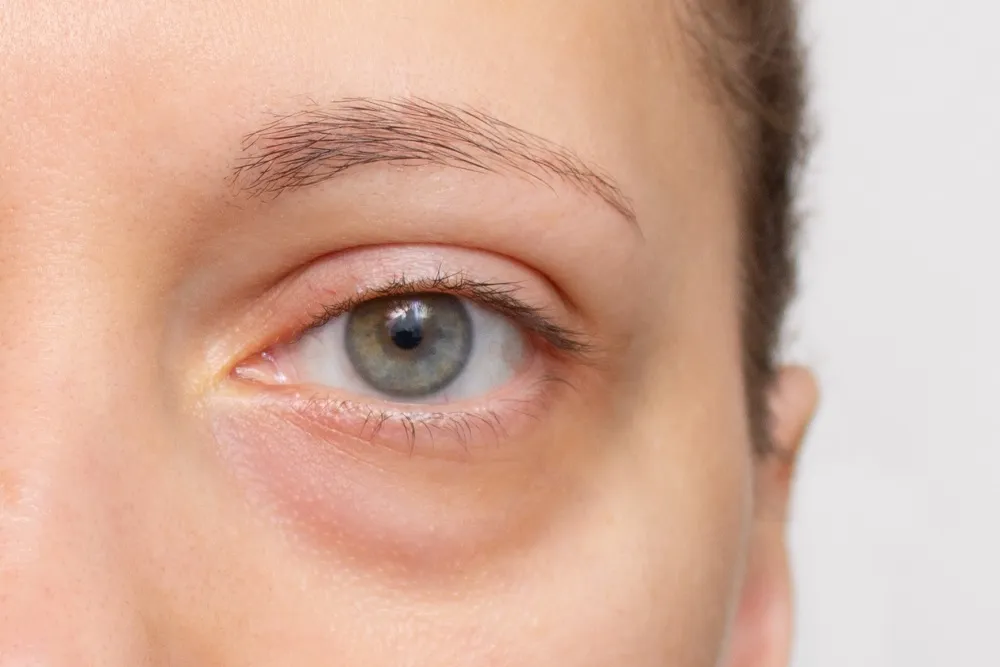
Understanding the causes of eye bags under the eyes is the foundation of any effective treatment strategy. The under-eye area is uniquely vulnerable to multiple overlapping factors—structural, vascular, lifestyle-driven, and medical—that can all contribute to the same puffy appearance for very different reasons.
1. Aging and Collagen Loss
The most common long-term cause of permanent eye bags. As we age, the collagen and elastin network that supports the skin and underlying tissues breaks down progressively. The orbital septum—the thin membrane holding the under-eye fat pads in place—weakens and allows fat to herniate forward, creating the classic bulging appearance of structural eye bags. Simultaneously, skin loses its ability to snap back into position, creating a sagging, pouched look beneath the lower lid. According to facial anatomy reviews published by the NIH, facial ligament structure, midface support, bony anatomy, and thin eyelid skin all play a major role in the formation of eye bags that worsens progressively with age.
2. Fluid Retention (Edema)
One of the most common and immediately reversible causes of eye bags under the eyes. Water accumulates in the loose connective tissue beneath the eye when the body retains excess fluid—typically driven by high sodium intake, alcohol consumption, hormonal fluctuations, allergies, or sleeping face-down. This type of puffiness is characteristically worse in the morning and improves throughout the day as gravity and movement encourage drainage. Salt intake, alcohol, stress, and poor sleep can significantly worsen fluid-related under-eye puffiness by increasing inflammation and disrupting the body’s fluid balance (Eyelid Institute).
3. Genetics and Inherited Structure
The position and size of your orbital fat pads, the depth of your orbital bones, and the natural thickness of your under-eye skin are all largely genetically determined. Some people are simply born with a predisposition to prominent under-eye bags that manifests from childhood or early adulthood regardless of lifestyle. If your parents had prominent eye bags, the odds are high you inherited the same structural traits. Genetic eye bags driven by inherited fat pad positioning or orbital anatomy are among the most resistant to topical treatment and most likely to require clinical intervention for significant improvement.
4. Allergies and Sinus Congestion
Seasonal and chronic allergies are a frequently overlooked contributor to under-eye puffiness. Histamine release from allergen exposure dilates blood vessels, increases fluid permeability in periorbital tissue, and causes inflammation that manifests as swelling beneath the eyes. Chronic nasal congestion from sinusitis creates backpressure in the facial venous system, further contributing to fluid accumulation. Repeated rubbing of itchy, allergy-affected eyes also damages the fragile elastic fibers beneath the skin over time, worsening both puffiness and laxity. Sinus disease and allergies are documented as significant contributors to periorbital puffiness and darkness (W Cosmetic Surgery).
5. Sleep Deprivation and Poor Sleep Quality
Insufficient or poor-quality sleep elevates cortisol levels, increases systemic inflammation, and—critically—prevents the lymphatic system from effectively clearing excess fluid from facial tissues overnight. When the lymphatic drainage that normally occurs during deep sleep is disrupted, fluid pools in the under-eye area and remains there into the following day. The pale skin that accompanies fatigue also makes underlying discoloration and puffiness more visible. Sleep deprivation is one of the most direct and immediate causes of eye bags under the eyes because it disrupts the biological processes that keep periorbital tissue clear and firm.
6. Smoking
Smoking accelerates collagen breakdown throughout the body—but the thin, fragile under-eye area is particularly susceptible. Tobacco smoke introduces free radicals that damage elastin fibers and impair circulation, reducing the skin’s ability to maintain firmness and drainage. Smokers typically develop pronounced under-eye bags significantly earlier than non-smokers, and their puffiness tends to be more resistant to topical treatment due to the underlying circulatory and structural damage.
7. High Sodium Diet
Excess dietary sodium is the single most controllable cause of eye bags under the eyes for most people. The body retains water to dilute excess sodium and maintain osmotic balance—and because under-eye tissue is loose and poorly supported, it is one of the first places this retained fluid becomes visible. A high-sodium meal in the evening followed by a night of lying flat is the most reliable recipe for waking up with pronounced morning eye bags.
8. Alcohol Consumption
Alcohol acts as a diuretic that initially causes dehydration, then triggers a rebound fluid retention effect. It also disrupts sleep architecture—reducing time spent in the restorative deep sleep stages when lymphatic facial drainage occurs. The combination of dehydration, inflammation, and poor sleep quality that follows alcohol consumption makes it one of the most potent triggers of both temporary puffiness and longer-term under-eye bag development.
9. Thyroid and Medical Conditions
Several systemic conditions can cause or significantly worsen under-eye bags. Hypothyroidism—including Hashimoto’s thyroiditis—causes a specific type of fluid retention called myxedema that accumulates in periorbital tissue and is resistant to typical de-puffing interventions. Kidney disease impairs the body’s ability to regulate fluid balance, leading to facial and periorbital edema. Certain autoimmune conditions and medications also contribute to chronic under-eye puffiness that doesn’t improve with lifestyle changes alone. According to the Mayo Clinic and W Cosmetic Surgery, bags under your eyes can indicate anything from temporary fluid retention and allergies to chronic issues like thyroid disease, sinus congestion, or age-related tissue weakening.
What Do Bags Under Your Eyes Indicate?
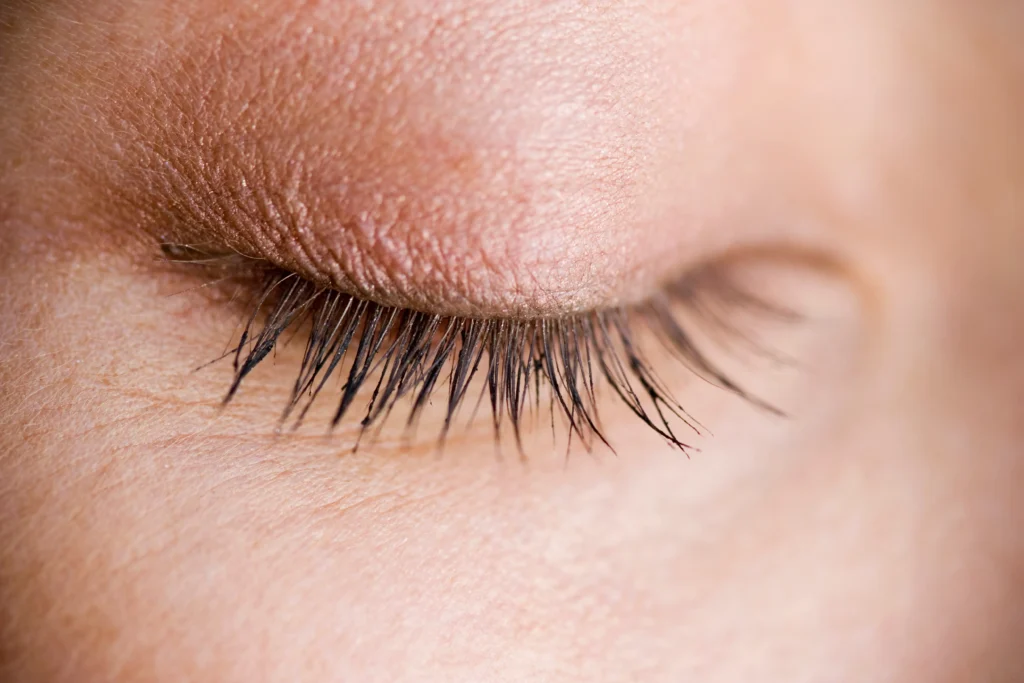
Persistent or sudden-onset under-eye bags can sometimes be more than a cosmetic concern—they can be a signal from your body about underlying health issues worth investigating. Here’s what different types of eye bag presentations may indicate:
Bags that are worse in the morning and improve by midday
Almost always indicate fluid retention—driven by lying flat overnight, dietary sodium, alcohol, or allergies. These are the most benign and most treatable type of eye bags and respond well to topical treatments and lifestyle modifications.
Bags that are constant and don’t change throughout the day
Suggest structural causes—either fat pad herniation, significant collagen loss, or genetic predisposition. These permanent bags are unlikely to respond meaningfully to topical products alone and may benefit from professional consultation.
Bags accompanied by redness, itching, or watery eyes
Strongly suggest an allergic component. Managing the underlying allergy with antihistamines, nasal spray, or allergen avoidance will produce more meaningful improvement than any topical eye treatment.
Bags accompanied by general facial puffiness, fatigue, and weight changes
May indicate hypothyroidism or kidney dysfunction. These systemic causes of eye bags under the eyes require medical evaluation and cannot be resolved with skincare products. If your eye bags are accompanied by unexplained fatigue, weight gain, hair loss, or general facial swelling, a physician visit is warranted before investing in any topical treatment program.
Bags in children or young adults without lifestyle triggers
Typically indicate genetic structural predisposition or allergies. Young people without relevant lifestyle factors who develop significant eye bags early in life should be evaluated for both genetic factors and chronic allergic conditions.
What Vitamin Are You Lacking If You Have Bags Under Your Eyes?

While structural and lifestyle factors are the most common causes of eye bags under the eyes, nutritional deficiencies can play a significant and often overlooked role in both the development and worsening of under-eye puffiness. While vitamin deficiencies alone are rarely the sole cause of eye bags, correcting them can produce a noticeable improvement—particularly when they’re compounding other contributing factors. Research linking nutrient deficiencies to periorbital changes is well documented in clinical studies published by the NIH.
Vitamin K — The Most Direct Deficiency
Vitamin K is essential for blood clotting, capillary health, and the regulation of calcium in soft tissues. Deficiency increases capillary fragility and permeability, allowing small amounts of fluid and blood to leak into periorbital tissue—contributing to both puffiness and discoloration. Topical vitamin K is frequently included in eye bag treatments for exactly this reason. Dietary sources include kale, spinach, broccoli, Brussels sprouts, and fermented foods.
Iron — Most Common Worldwide
Iron deficiency anemia reduces hemoglobin production, impairing oxygen delivery to tissues throughout the body. Low oxygenation causes blood to appear darker and increases vascular visibility beneath thin under-eye skin. It also contributes to chronic fatigue, which compounds the appearance of under-eye bags. Iron deficiency is one of the most common nutritional contributors to periorbital changes and is identified in clinical research as a significant factor in under-eye appearance (NIH PMC6536080). Dietary sources include red meat, lentils, spinach, and fortified cereals.
Vitamin C
Vitamin C is essential for collagen synthesis—without adequate levels, the collagen network supporting the under-eye tissue weakens faster, increasing the likelihood of fat pad herniation and skin laxity that causes structural eye bags. Vitamin C deficiency also impairs the body’s ability to neutralize free radical damage from UV exposure, accelerating the breakdown of already-fragile under-eye structures. Dietary sources include citrus fruits, bell peppers, strawberries, and kiwi.
Vitamin B12
B12 deficiency causes a specific form of anemia that results in pale, thin skin with highly visible vascular structures. It also produces profound chronic fatigue that disrupts sleep quality and compounds fluid retention. B12 deficiency is particularly common in vegetarians and vegans who don’t supplement. According to a comprehensive NIH study on causative factors in periorbital hyperpigmentation, B12 deficiency is one of several nutritional factors directly linked to visible periorbital changes.
Vitamin D
Chronic vitamin D deficiency is associated with impaired skin barrier function, increased systemic inflammation, and heightened allergic reactivity—all of which contribute to under-eye puffiness and poor skin resilience. Emerging research also connects vitamin D deficiency to disrupted sleep architecture, creating an indirect but meaningful pathway to worsened eye bags. Dietary sources include fatty fish, egg yolks, fortified dairy, and sensible sun exposure.
Magnesium
Often overlooked in the context of under-eye bags, magnesium plays a critical role in regulating fluid balance and reducing systemic inflammation. Magnesium deficiency is extremely common—estimated to affect up to 50% of adults in developed countries—and can contribute to fluid retention and poor sleep quality, both of which directly worsen causes of eye bags under the eyes. Dietary sources include dark chocolate, avocados, nuts, seeds, and leafy greens. A full blood panel including ferritin, B12, vitamin D, and magnesium is worth discussing with your physician if you suspect deficiency is compounding your eye bags as outlined in research by Jinfiniti.
How to Drain Fluid From Under the Eyes
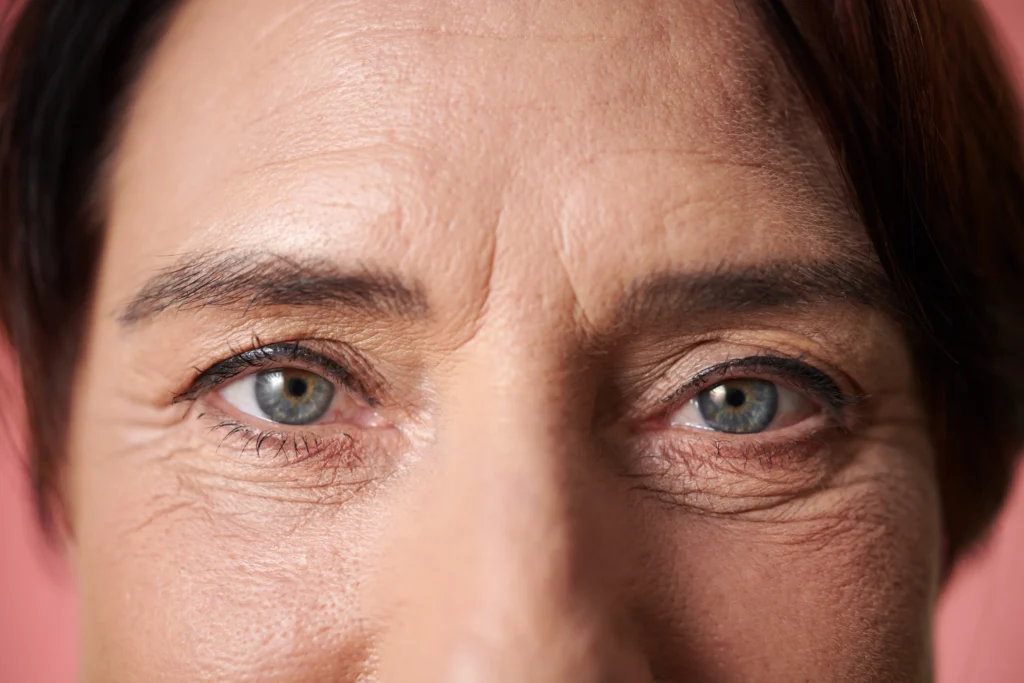
Fluid-related causes of eye bags under the eyes are the most immediately treatable—and the fastest to improve when the right techniques are applied consistently. Here’s exactly how to encourage fluid drainage from the periorbital area:
1. Cold Compress or Chilled Eye Mask
Cold temperature causes blood vessels to constrict and reduces inflammation in the periorbital tissue, rapidly decreasing fluid-related puffiness. Apply a cold compress, chilled spoons, or a refrigerated gel eye mask for 10–15 minutes every morning for immediate visible improvement. This is the fastest single intervention for fluid-driven eye bags and requires no product investment.
2. Elevate Your Head While Sleeping
Sleeping completely flat allows gravity to pool fluid in the face overnight—particularly in the loose periorbital tissue. Elevating your head by one to two inches with an extra pillow reduces overnight fluid accumulation and significantly decreases morning eye bag severity. According to the Mayo Clinic and The Eyelid Institute, the fastest ways to drain fluid from under the eyes include reducing sodium, sleeping with your head elevated, and using cold compresses.
3. Reduce Dietary Sodium
Cutting sodium intake to under 2,300mg per day—and especially avoiding high-sodium foods in the evening—directly addresses one of the most controllable causes of fluid-related eye bags. The body retains approximately one liter of water for every 3 grams of excess sodium consumed, and a significant portion of that retention shows up in the thin, permeable tissue beneath the eyes.
4. Caffeine-Based Eye Products
Topical caffeine is one of the most clinically validated ingredients for reducing fluid-related eye bag puffiness. Applied in the morning, caffeine constricts blood vessels, reduces microvascular permeability, and encourages lymphatic drainage in the periorbital area—producing visible de-puffing within 15–20 minutes. Vogue cites caffeine-based products and retinol formulas as the leading topical interventions recommended by doctors for reducing under-eye bags.
5. Lymphatic Drainage Massage
Gentle manual massage using your ring finger can stimulate lymphatic drainage in the under-eye area. Start at the inner corner of the eye and use very light tapping motions—never rubbing—moving outward along the orbital bone toward the temple. This encourages excess fluid to move toward the lymph nodes at the side of the neck. Perform for 60–90 seconds each morning, ideally after applying a caffeine-based eye product to assist drainage.
6. Stay Well Hydrated
Counterintuitively, dehydration worsens under-eye puffiness by signaling the body to retain water in reserve. Drinking adequate water throughout the day—approximately 8 glasses for most adults—signals the body that fluid is plentiful and reduces its tendency to hoard water in facial tissues.
7. Manage Allergies
Histamine-driven fluid accumulation from unmanaged allergies can be among the most stubborn causes of eye bags under the eyes. Daily antihistamines, nasal corticosteroid spray, and allergen avoidance strategies will reduce periorbital inflammation and fluid permeability far more effectively than any eye cream for allergy-driven puffiness.
How to Pick the Best Product for Eye Bags

Before investing in any eye product, identify which type of eye bag you have:
- Fluid/morning puffiness — Respond best to caffeine, vitamin K, and cooling formulas
- Structural/permanent bags — Respond best to retinol and peptide-rich firming creams
- Allergy-driven puffiness — Respond best to anti-inflammatory ingredients and managing the underlying allergy
- Dehydration-driven bags — Respond best to hyaluronic acid and ceramide-based formulas
- Mixed or aging-related bags — Respond best to multi-action formulas combining caffeine, peptides, and retinol
Additional factors to consider:
- Skin type — Rich creams for dry skin; lightweight gels or serums for oily skin
- Sensitivity — Fragrance-free and ophthalmologist-tested for reactive skin
- Time of use — Caffeine in the morning; retinol and peptide-rich oils at night
- Budget — Start with proven mid-range options before committing to premium formulas
Key Active Ingredients for Eye Bags

Caffeine
The gold-standard topical ingredient for immediate fluid-related puffiness reduction. Constricts blood vessels, reduces microvascular permeability, and stimulates lymphatic drainage within minutes of application. Best used in morning formulas for fast visible de-puffing results.
Retinol (Vitamin A)
Stimulates collagen production and accelerates cell turnover, gradually thickening the under-eye skin and reducing the laxity that allows fat pads to protrude. The most clinically validated long-term topical ingredient for structural eye bags caused by collagen loss.
Peptides
Signal the skin to produce collagen and elastin, rebuilding the structural support network beneath the eye. Matrixyl 3000 and similar peptide complexes firm and thicken the orbital area over weeks to months of consistent use, reducing both puffiness and the hollowing that amplifies it.
Hyaluronic Acid
Hydrates and plumps dehydrated under-eye skin, reducing the translucency that makes vascular structures and hollowing more visible. Essential in any eye bag formula targeting dehydration-driven or mixed-cause puffiness.
Vitamin K
Supports capillary integrity and reduces the vascular permeability that allows fluid to accumulate in periorbital tissue. Frequently combined with caffeine for a synergistic de-puffing and vascular-strengthening effect.
Niacinamide
Reduces inflammation, strengthens the skin barrier, and improves tone in the under-eye area. Its anti-inflammatory properties make it particularly valuable for allergy-driven or chronically irritated under-eye skin.
Ceramides
Restore and maintain the skin barrier, reducing transepidermal water loss and keeping under-eye skin resilient and hydrated. Essential in any barrier-focused eye bag formula.
The 5 Best Products for Eye Bags Under the Eyes in 2026
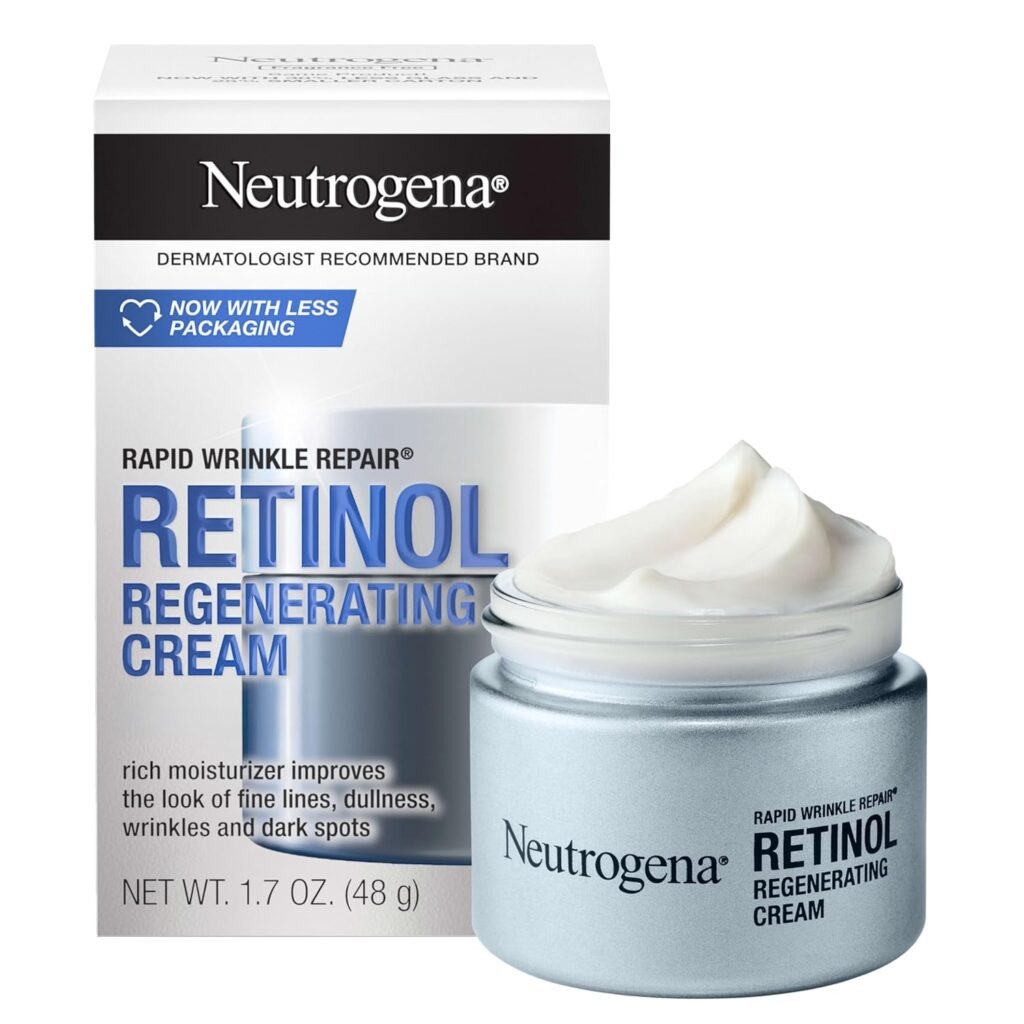
Neutrogena Rapid Wrinkle Repair Eye Cream — Best Overall
REASONS TO BUY
✅ Accelerated retinol SA stimulates collagen and firms lax under-eye skin over time
✅Hyaluronic acid hydrates and plumps dehydrated, hollow under-eye tissue
✅Glucose complex enhances retinol delivery for faster visible results
✅Fragrance-free and suitable for most skin types including sensitive skin
REASONS TO AVOID
⚠️ Retinol requires gradual introduction—start every other night to avoid irritation
⚠️Not suitable during pregnancy or breastfeeding
⚠️Full structural improvement takes 10–12 weeks of consistent use
Neutrogena Rapid Wrinkle Repair Eye Cream is the best all-around product for tackling the most common causes of eye bags under the eyes simultaneously. Powered by accelerated retinol SA—a uniquely stabilized and encapsulated form of retinol—alongside glucose complex and hyaluronic acid, it addresses the structural collagen loss, skin laxity, and dehydration that drive persistent under-eye bags. Consistently ranked among the top dermatologist-recommended eye treatments in 2026 by Good Housekeeping and CNET, it delivers clinical retinol results at an accessible drugstore price point.
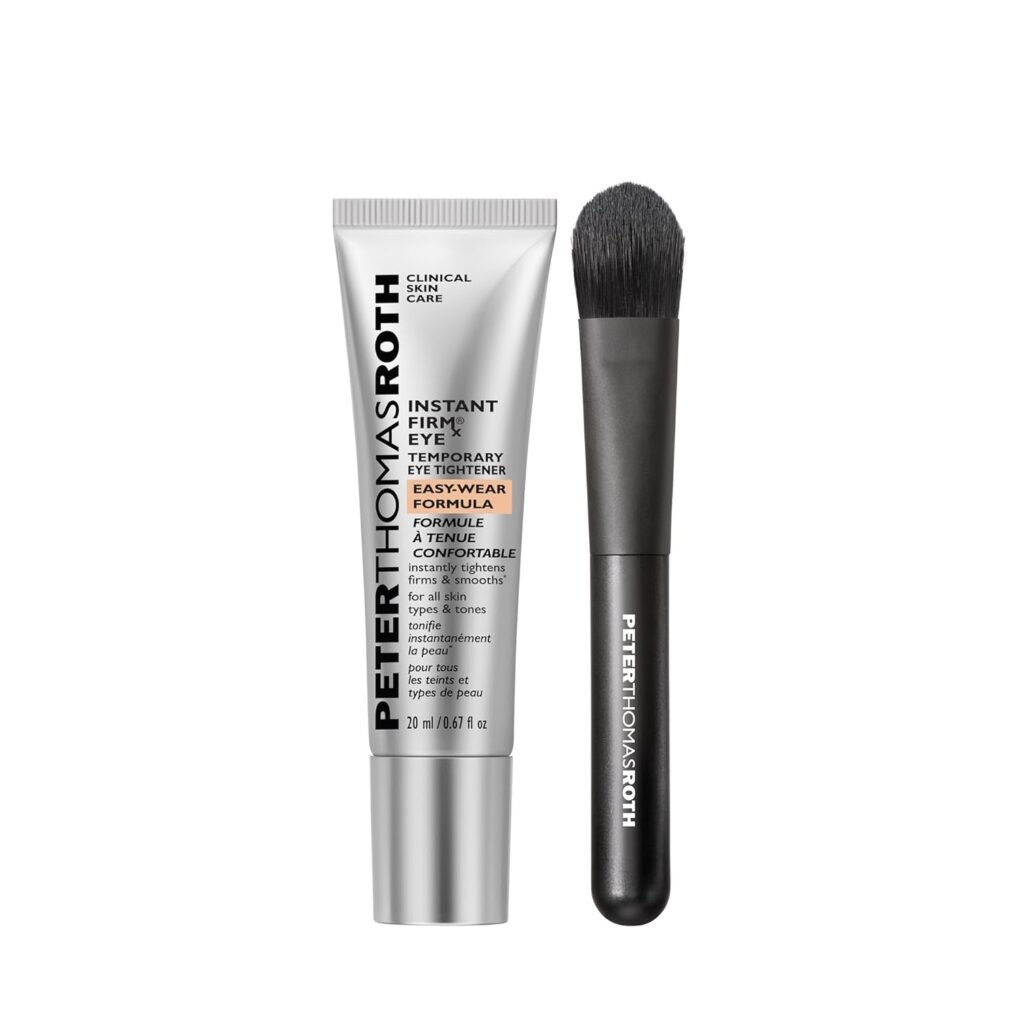
Peter Thomas Roth Instant FIRMx Eye — Best for Immediate Results
REASONS TO BUY
✅ Visible tightening and de-puffing within 2 minutes of application
✅Hydrolyzed silk and collagen smooth and firm on contact
✅Lightweight formula sits perfectly under makeup and concealer
✅Ideal for events, mornings after late nights, or special occasions
REASONS TO AVOID
⚠️ Effect is temporary—not a long-term structural fix
⚠️Can feel tight or uncomfortable on very dry skin types
⚠️Premium price for what is primarily an on-demand cosmetic effect
Peter Thomas Roth Instant FIRMx Eye is the most dramatically fast-acting product on this list for reducing the appearance of causes of eye bags under the eyes in real time. Its signature film-forming technology creates an instant tightening effect within minutes of application—making it the go-to choice for mornings when you need visible de-puffing results before an important meeting, event, or photo. Vogue cites fast-acting tightening formulas like this as among the most doctor-endorsed solutions for immediate eye bag reduction.
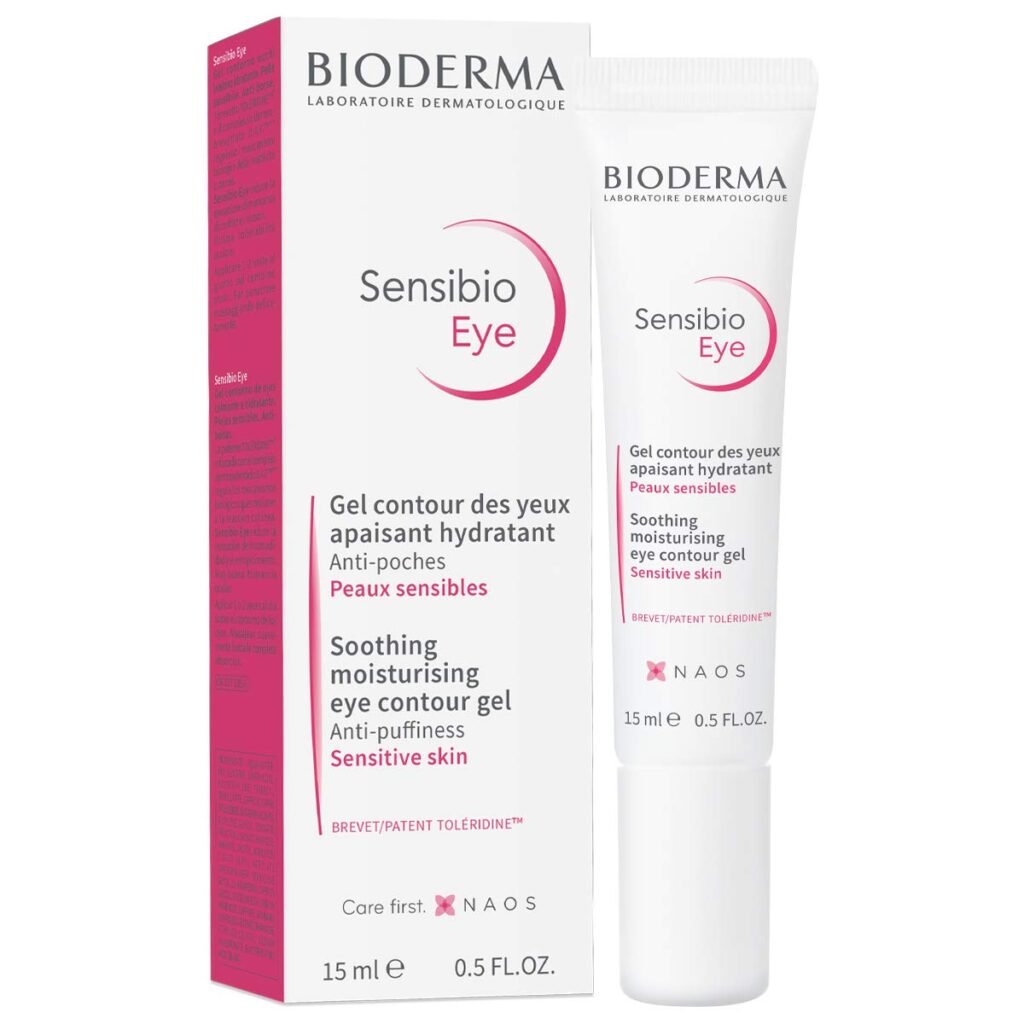
Bioderma Sensibio Eye Contour Gel — Best for Sensitive and Allergy-Prone Skin
REASONS TO BUY
✅Specifically formulated for hypersensitive and allergy-prone eye area skin
✅Cooling gel texture instantly soothes inflammation and reduces puffiness
✅Fragrance-free, paraben-free, and ophthalmologist-tested
✅Reduces allergy-driven periorbital swelling gently and effectively
REASONS TO AVOID
⚠️Not strong enough for structural or collagen-loss-driven eye bags
⚠️Lightweight gel may not provide sufficient hydration for very dry skin
⚠️Results for non-allergy bags are minimal compared to retinol or peptide formulas
For those whose eye bags are driven by allergies, inflammation, or chronic skin sensitivity—some of the most frustrating causes of eye bags under the eyes—Bioderma Sensibio Eye Contour Gel is the most targeted and gentle solution available. Developed specifically for hypersensitive periorbital skin, its lightweight cooling gel formula combines anti-inflammatory actives with mild de-puffing agents to reduce allergy-driven swelling without triggering further irritation.
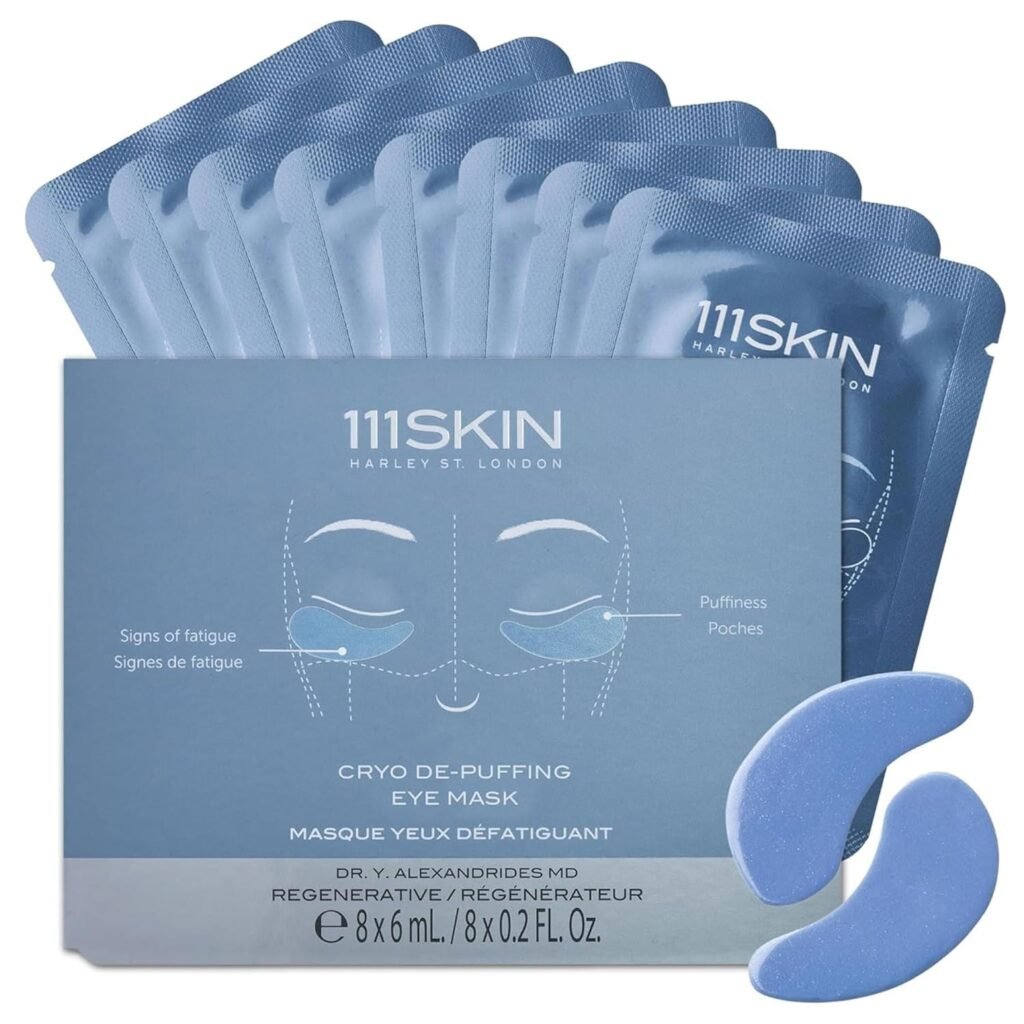
111SKIN Sub-Zero De-Puffing Eye Mask — Best Under-Eye Patches
REASONS TO BUY
✅Cryo-technology and caffeine reduce puffiness visibly within 15–20 minutes
✅Peptides firm and smooth while hyaluronic acid deeply hydrates
✅Delivers concentrated actives directly to the problem area
✅Perfect for mornings, travel, or pre-event under-eye treatment
REASONS TO AVOID
⚠️ Single-use patches create ongoing cost and waste
⚠️Not a long-term structural solution for permanent eye bags
⚠️Premium price per use compared to daily eye creams
For fast, targeted fluid drainage and de-puffing, 111SKIN Sub-Zero De-Puffing Eye Masks are the most effective under-eye patch treatment on this list. These single-use cryo-technology patches combine sub-zero cooling actives with caffeine, peptides, and hyaluronic acid to deliver an intense concentrated treatment directly to the under-eye area—making them one of the most powerful tools for addressing fluid-related causes of eye bags under the eyes quickly. Forbes ranks under-eye patches among the most effective targeted treatments for morning puffiness in 2026.
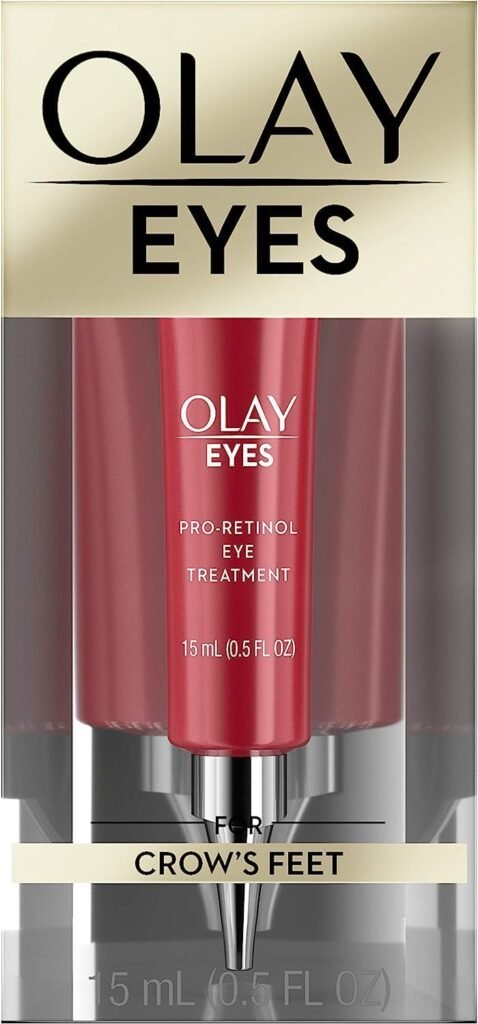
Olay Eyes Pro-Retinol Eye Treatment — Best Budget for Structural Bags
REASONS TO BUY
✅ Pro-retinol (retinyl propionate) firms skin and reduces laxity over time
✅Niacinamide brightens tone and reduces inflammation simultaneously
✅Vitamin E and peptides support barrier health and collagen rebuilding
✅One of the most affordable effective retinol eye treatments available
REASONS TO AVOID
⚠️ Pro-retinol is less potent than pure retinol—results are more gradual
⚠️ Not strong enough for severe or deeply structural permanent eye bags
⚠️ Requires 12+ weeks for meaningful visible improvement
Olay Eyes Pro-Retinol Eye Treatment is the most affordable retinol-based product on this list for addressing the structural and collagen-driven causes of eye bags under the eyes—delivering proven vitamin A technology at a drugstore price that makes long-term consistent use financially sustainable for everyone. Consistently recommended by skincare experts at Good Housekeeping and W Magazine as a top value pick for under-eye treatment in 2026.
Care and Cleaning
Even the best products for causes of eye bags under the eyes won’t deliver full results without the right application technique and storage habits.
How to Apply Correctly:
- Cleanse your face thoroughly before applying any eye product—residue blocks absorption
- Use only your ring finger—it applies the least pressure on the most delicate facial skin
- Use a pea-sized amount per eye—excess product causes milia and wasted actives
- Tap gently from the inner corner outward along the orbital bone—never drag or rub
- Apply eye treatment before heavier face moisturizers so actives penetrate without a barrier
- Always follow with SPF in the morning—UV damage accelerates collagen loss and worsens all causes of eye bags under the eyes long-term
Storage Rules:
- Keep away from heat, steam, and direct sunlight
- Refrigerate caffeine and vitamin C formulas to maintain potency
- Use a clean spatula for jar products to prevent bacterial contamination
- Check the period-after-opening date—most eye products remain effective for 6–12 months
Daily Hygiene:
- Wash hands thoroughly before every application
- Never share eye cream—the periorbital area is adjacent to mucous membranes
- Apply product to the orbital bone, not the lash line, to prevent irritation and migration
FAQ – Causes of Eye Bags Under the Eyes
How do I get rid of the bags under my eyes?
Getting rid of eye bags starts with identifying which of the causes of eye bags under the eyes apply to your specific situation. For fluid-related morning bags, reduce dietary sodium to under 2,300mg daily, sleep with your head slightly elevated, apply a cold compress each morning, and use a caffeine-based eye product within minutes of waking. For structural bags caused by collagen loss, begin a consistent retinol or peptide-rich eye cream and give it 10–12 weeks of twice-daily use. For allergy-driven bags, manage your allergies with antihistamines or nasal spray alongside a gentle anti-inflammatory eye gel. According to the Mayo Clinic and Vogue, for permanent structural bags that don’t respond to topicals, hyaluronic acid filler or surgical blepharoplasty are the most effective clinical interventions available.
What vitamin are you lacking if you have bags under your eyes?
The most commonly deficient nutrients in people with prominent under-eye bags are vitamin K, iron, vitamin C, vitamin B12, vitamin D, and magnesium. Vitamin K deficiency increases capillary fragility and fluid leakage into periorbital tissue, while iron deficiency causes anemia that makes blood appear darker and more visible beneath thin skin. Vitamin C deficiency impairs collagen production, accelerating the structural laxity that allows fat pads to protrude. According to research published by the NIH and Jinfiniti, B12 deficiency contributes to anemia-driven periorbital changes, and vitamin D deficiency increases systemic inflammation that worsens puffiness. A comprehensive blood panel is the most reliable way to identify which deficiency is compounding your specific causes of eye bags under the eyes.
What do bags under your eyes indicate?
Under-eye bags most commonly indicate fluid retention—the most benign and most immediately treatable cause. However, persistent bags that don’t improve with lifestyle changes may indicate thyroid dysfunction, kidney disease, chronic allergies, or sinus congestion. Bags accompanied by general facial swelling, fatigue, unexplained weight changes, or hair loss may signal hypothyroidism and warrant a physician evaluation. According to the Mayo Clinic and W Cosmetic Surgery, bags under the eyes can indicate anything from temporary lifestyle-driven fluid retention to chronic medical conditions that require systemic treatment rather than topical intervention.
How do I drain fluid from under my eyes?
The most effective techniques for draining fluid from the under-eye area include sleeping with your head elevated, applying a cold compress for 10–15 minutes each morning, reducing dietary sodium significantly, performing gentle lymphatic massage with your ring finger along the orbital bone, staying well hydrated throughout the day, and applying a caffeine-based eye serum or cream immediately after cleansing. Managing allergies with antihistamines is equally important if allergic histamine response is among your causes of eye bags under the eyes. According to the Mayo Clinic, The Eyelid Institute, and Vogue, combining these approaches consistently produces the fastest and most visible reduction in fluid-related under-eye puffiness.
Final Verdict: Causes of Eye Bags Under The Eyes
Understanding the causes of eye bags under the eyes is the most empowering first step you can take toward actually fixing them. Whether your bags are driven by overnight fluid retention, inherited structural traits, collagen loss, allergies, nutritional deficiencies, or systemic health conditions—each cause has a targeted solution that produces far better results than generic eye creams applied blindly.
The five products on this list represent the strongest available options for every type of eye bag in 2026—from Neutrogena’s clinically proven retinol for structural bags, to Peter Thomas Roth’s instant tightening for on-demand results, to 111SKIN’s cryo-technology patches for concentrated fluid drainage. Pair your chosen product with the lifestyle interventions covered in this guide—reducing sodium, elevating your head, staying hydrated, managing allergies, and correcting any nutritional deficiencies—and you’ll have a comprehensive, science-backed strategy for addressing every possible cause of eye bags under the eyes from every angle.
Consistency is what separates lasting results from temporary improvement. Apply your products twice daily, protect with SPF every morning, and give your routine a full 8–12 weeks before evaluating its full effect. Your under-eye area reflects your overall health more than almost any other part of your face—treat it accordingly and the results will show.
Note: This post contains Amazon affiliate links. If you make a purchase through these links, I may receive a small commission at no extra cost to you.