
Understanding whats good for dark under eyes can help you make informed choices. A mix of targeted skincare, lifestyle changes, and (sometimes) in‑office treatments is what’s good for dark under eyes. Hydrating, brightening eye products plus sleep, sun protection, and allergy control usually bring the biggest visible improvement. Incorporating methods that focus on what’s good for dark under eyes can enhance your skincare routine.
Table of Contents
Skincare Ingredients That Work

By incorporating these strategies, you can discover what’s good for dark under eyes. Exploring various options will help in identifying what truly works in addressing this concern.
Dermatologists recommend focusing on a few proven actives instead of chasing every trend.
- Vitamin C
- Brightens pigment by reducing melanin production and protects against UV damage that worsens dark circles.
- Found in many top eye creams for dark circles (e.g., Saint Jane, Banana Bright).
- Retinol / Retinoids
- Increase collagen and skin thickness, so underlying blood vessels and shadows are less visible.
- Used carefully around eyes (lower strengths, a few nights a week).
- Niacinamide
- Fades hyperpigmentation, calms inflammation, and strengthens the barrier.
- Caffeine
- Constricts blood vessels and reduces puffiness and vascular darkness.
- Hyaluronic Acid
- Deeply hydrates and plumps thin, crepey skin so it casts fewer shadows.
Combos of vitamin C + caffeine + hyaluronic acid show the best multi‑cause improvement in tests.
Derm-Backed Products and Procedures
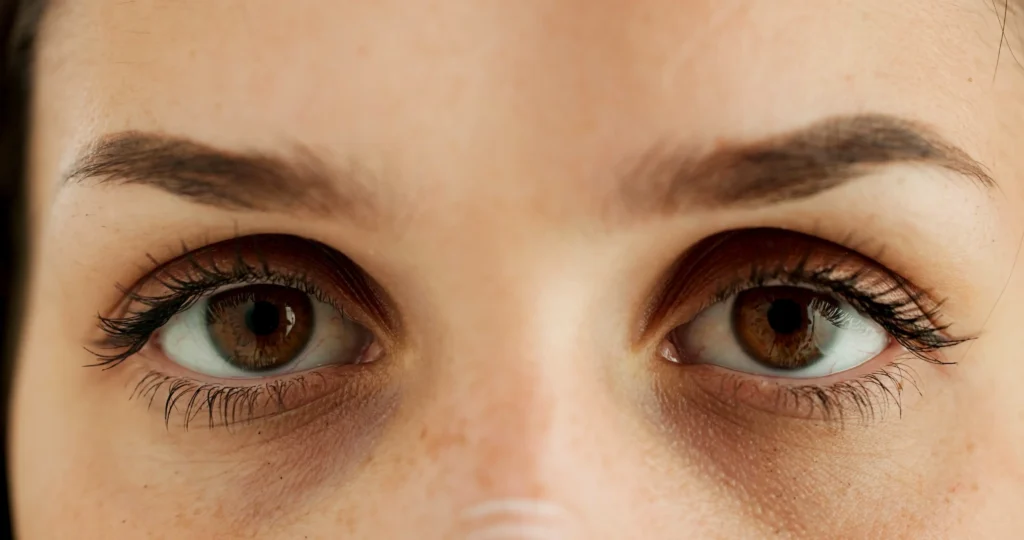
Dermatologists and editor tests highlight several categories of things that are good for dark under eyes:
- Eye creams/serums
- Saint Jane Beauty Bright Repair Eye Cream, Murad Vita‑C Eyes, and other vitamin C/retinol/caffeine formulas consistently perform well in 2026 rankings.
- Cleveland Clinic notes topical vitamin C and lightening agents can help pigmentation under the eyes.
- Prescription/lightening creams
- Dermatologists may use azelaic acid, kojic acid, glycolic acid, hydroquinone, or tretinoin for stubborn pigment under the eyes.
- In‑office treatments (for stubborn or genetic circles)
- Chemical peels, lasers, and soft‑tissue fillers can improve pigment, thin skin, and hollows when creams aren’t enough.
These options are usually layered: daily eye cream + SPF, and procedures only if needed.
Recommended Products



Helpful Lifestyle and Natural Measures
Medical sources emphasize that everyday habits meaningfully affect dark circles.
- Sleep & positioning
- Sun protection
- Daily sunscreen around the eye area prevents UV‑driven pigment and collagen loss.
- Hydration and diet
- Stay well‑hydrated and eat a nutrient‑dense diet (vitamin C, iron, etc.) to support skin health.
- Cold therapy
- At‑home “natural” helpers
- Some people get mild benefit from chilled tea bags (caffeine), cucumber slices, or cold spoons to calm puffiness and vascular darkening.
These do not replace actives or procedures, but they support them.
When to See a Dermatologist
Dark under eyes are often genetic or multi‑factorial; when over‑the‑counter products and lifestyle changes don’t make enough difference, dermatologists can:
- Evaluate causes (pigment vs. vessels vs. hollows).
- Prescribe stronger topicals (retinoids, lightening agents).
- Offer fillers, peels, or laser to thicken skin, fill hollows, and lighten pigment.
If circles are very pronounced or suddenly change, or are accompanied by significant swelling, a professional evaluation is recommended.
FAQs: Whats Good for Dark Under Eyes
What is the best eye cream for under eyes?
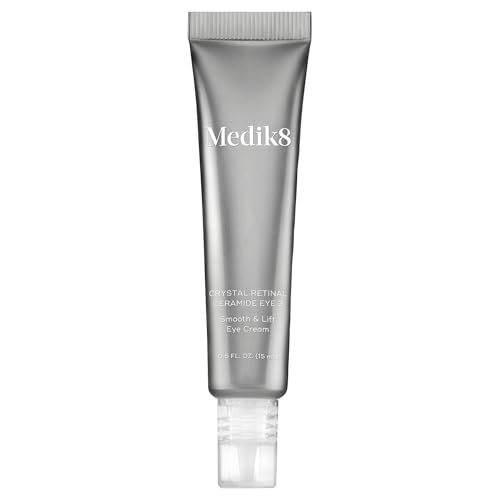
Strong all‑round choices in 2026 include La Roche‑Posay Hyalu B5 Eye for hydration/smoothing, Medik8 Crystal Retinal Ceramide Eye for anti‑aging and circles, and SkinMedica TNS Eye Repair for post‑procedure maintenance, depending on your needs.
Does any under‑eye cream actually work?
Yes, but results are modest and gradual. Clinical and lab reviews show eye creams with hyaluronic acid, peptides, antioxidants, vitamin C, niacinamide, caffeine, and retinoids can improve hydration, elasticity, fine lines, and some dark circles, while not replacing procedures for severe or structural issues.
Should you put eye cream under your eyes?
Yes—apply a small amount under the eyes along the orbital bone, gently tapping rather than rubbing, and avoid getting close to the waterline or directly into the eye. This placement lets active ingredients diffuse without over‑irritating the lash line.
What is the best eye cream after blepharoplasty?
Plastic surgeons often recommend medical‑grade, soothing and collagen‑supporting products such as SkinMedica TNS Eye Repair, hydrating HA‑based serums like SkinMedica HA5, and strict sun protection with eye‑safe sunscreens (e.g., EltaMD) after healing, but you must follow your own surgeon’s timing and product list.
Note: This post contains Amazon affiliate links. If you make a purchase through these links, I may receive a small commission at no extra cost to you.